






A ten-minute job turns into an hour when the 13 mm socket is missing, the brake kit is buried under extension leads, and the trolley jack has no clear parking space. Knowing how to organise workshop tools properly is not about making the garage look tidy for visitors. It is about working faster, protecting expensive equipment and keeping the floor safe when jobs are under way.
Start with the work you actually do
Do not organise a workshop around what looks good in a catalogue. Organise it around the repairs and tasks you carry out most often. A busy mechanic working on brakes, suspension and servicing needs a different layout from a serious DIY user restoring a classic car or a tradesperson using the space for general repairs.
Start by looking at the last five jobs completed in the workshop. The tools used repeatedly should be closest to the bench or vehicle bay. Tools used once every few months can sit higher up, lower down or in separate storage. This simple rule prevents prime drawer space being wasted on specialist equipment while everyday sockets, spanners and screwdrivers end up scattered across the worktop.
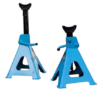
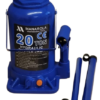
Your layout should also follow the route of a job. Diagnostic tools and hand tools belong near the bench. Impact sockets, air tools and compressors need to work together without hoses crossing walkways. Jacks, axle stands and lifting equipment require a dedicated floor position where they can be moved out safely when needed.
How to organise workshop tools by zone
A proper workshop does not need to be huge, but every area needs a clear purpose. Divide the space into working zones before buying more cabinets or filling another shelf.
- Vehicle work zone: Keep trolley jacks, axle stands, wheel chocks, drain pans and larger lifting equipment close to the vehicle bay.
- Bench zone: Store frequently used hand tools, measuring tools, clamps, electrical repair items and small power tools within easy reach.
- Parts and consumables zone: Give oils, sprays, fasteners, gloves, fuses, cable ties and abrasives their own shelves or bins.
- Cleaning and waste zone: Put rags, hand cleaner, waste containers and spill-control materials in one obvious location.
This approach removes the common problem of tools migrating around the workshop. When every item has a home, there is less chance of putting an impact wrench on a bench, leaving it there for a week and then buying another because it cannot be found.
Leave clear routes between these zones. A tool chest drawer left open or an air hose on the floor is more than an inconvenience when you are carrying a wheel, engine component or heavy battery. Keep aisles wide enough for safe movement and make sure the route to exits, fire equipment and the consumer unit is never blocked.
Sort tools before you buy storage
It is tempting to order a new tool chest first. In practice, storage only works once you know exactly what needs to go into it. Empty existing drawers, boxes and shelves, then separate tools into groups: daily-use hand tools, power and air tools, automotive service tools, measuring equipment, consumables and surplus items.
Be honest at this stage. Broken tools, duplicate low-quality items and accessories for equipment you no longer own take up valuable space. Keep reliable duplicates where they genuinely save time, such as a second 10 mm socket or a spare utility knife. Otherwise, clear them out.
Check each tool as you sort it. Worn ratchets, damaged extension leads, cracked socket sets and leaking air fittings should not go back into storage as if nothing is wrong. A clean, organised workshop starts with equipment that is safe to use.
Choose storage that suits the tool weight
Light-duty plastic drawers have a place for clips, terminals and small fixings. They are not the answer for heavy impact sockets, large spanners or steel-bodied power tools. Match the storage to the load, especially in a working garage where drawers may be opened dozens of times a day.
A lockable roller cabinet or tool chest gives daily-use tools a protected, central location. Deep drawers are useful for socket sets, impact guns and larger hand tools, while shallow drawers make it easier to see spanners, pliers and screwdrivers at a glance. Drawer liners stop tools sliding around and reduce wear on both the tools and cabinet.
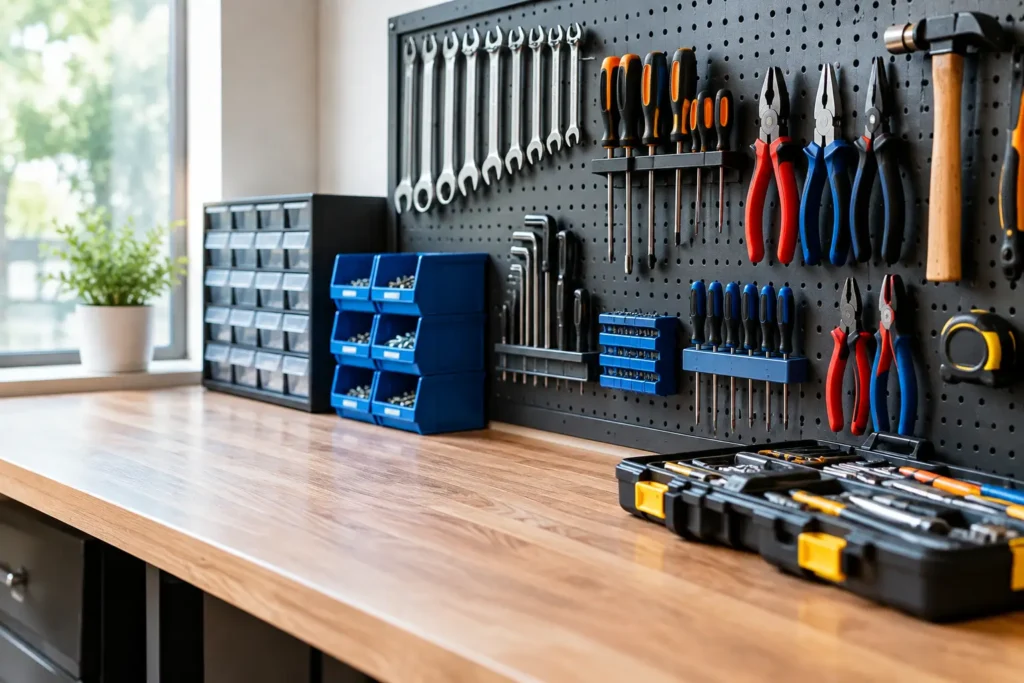
Wall-mounted pegboards, rails and hooks work well for equipment that is awkward to store in drawers. Pry bars, breaker bars, clamps, hoses and cordless drill accessories are easier to grab when they are visible. Use strong fixings and do not overload a board just because there is an empty hook.
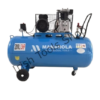
For larger equipment, think in terms of parking bays rather than storage. Mark out a fixed space for an engine crane, compressor, transmission jack or pressure washer. These items are heavy, take up floor room and quickly become a hazard if they are left wherever the last job finished.
13 Drawer 41″ Tool Box / Chest With Tools | Red, Black & Blue
Put the most-used tools at arm height
The fastest way to make a workshop more efficient is to stop bending, stretching and searching for basic tools. Keep everyday items between knee and shoulder height, with the most-used tools around waist and chest height. That means socket sets, ratchets, combination spanners, pliers, screwdrivers and common bits should be the easiest equipment to reach.
Less-used specialist tools can go in lower drawers, upper cupboards or labelled cases. A compression tester, brake wind-back kit or bearing separator does not need the same access as a 1/2-inch ratchet, but it should still be easy to locate when the job calls for it.
Avoid the habit of storing everything on the workbench. A clear bench is working space, not permanent storage. If tools constantly gather there, it usually means the drawer layout is wrong or there is no convenient place to return them between tasks.
Label drawers, cases and consumable bins
Labels may seem unnecessary when you know your own workshop, but they pay off quickly. They reduce search time, make stock checks easier and help anyone else using the space return tools to the right place.
Use simple, specific labels. “Sockets” is too broad if you have several drawers. “1/2-inch impact sockets”, “3/8-inch metric sockets” and “socket accessories” are far more useful. Mark cases too, especially identical black cases containing different service kits.
Consumables need the same discipline. Separate bolts, washers, clips, electrical terminals, hose clamps and fuses by size or application. Clear-front bins are useful, but only if they are labelled and restocked. A bin full of mixed fasteners creates the same delay as a messy drawer.
8 Drawer Tool Box / Chest With Tools & Stainless Steel Work Top
Manage cables, hoses and batteries
Cables and air hoses can make an otherwise organised workshop look chaotic in a single afternoon. Fit hose reels where possible, or use wall hooks that keep hoses coiled off the floor without sharp bends. Store extension leads on proper reels and inspect them regularly for damaged insulation or loose plugs.
Keep cordless tool batteries in one dry, clean charging area rather than on random benches. Group chargers together, keep battery contacts free from dust and avoid placing them beside welding work, fuel containers or chemical sprays. If several people use the workshop, label batteries by voltage and platform to prevent wasted time with incompatible chargers.
Build a reset routine into every job
The best storage system fails if tools are never returned. Build a short reset into the end of every repair: wipe down tools, put them back in their allocated places, return lifting equipment to its bay and clear waste from the floor. Five minutes at the end of a job is cheaper than twenty minutes searching before the next one.
A weekly check keeps the system working. Restock gloves, fasteners and consumables, recharge cordless batteries, check that socket sets are complete and remove anything that has landed on the wrong shelf. This is also the right time to spot tools that need replacement before they fail during a paid job.
For garages expanding their setup, buy storage in a sensible order: a dependable tool chest for core hand tools, shelving for parts and consumables, then wall storage and dedicated bays for heavier equipment. Irish Tools Shop serves working garages and serious DIY users with affordable, reliable workshop equipment, so it makes sense to choose storage that can cope with the tools you will own next year as well as the tools you own now.
An organised workshop should earn its floor space every day. If a tool is easy to find, safe to store and quick to return, the system is doing its job – and the next repair can start without the usual hunt.
