






A compressor that cannot keep up will slow every job in the workshop. When choosing between belt versus direct drive compressors, the deciding factor is not simply tank size or headline horsepower. It is how often you need air, which tools you run, how long they run for, and whether the machine is working in a busy garage or an occasional DIY space.
For tyre inflation, blow guns and short bursts with an impact wrench, a direct drive unit can be excellent value. For regular repair work, spraying, sanding or supplying several air tools, a belt-driven compressor is usually the stronger long-term choice. Buy for the workload, not just the price tag.
How belt-driven compressors work
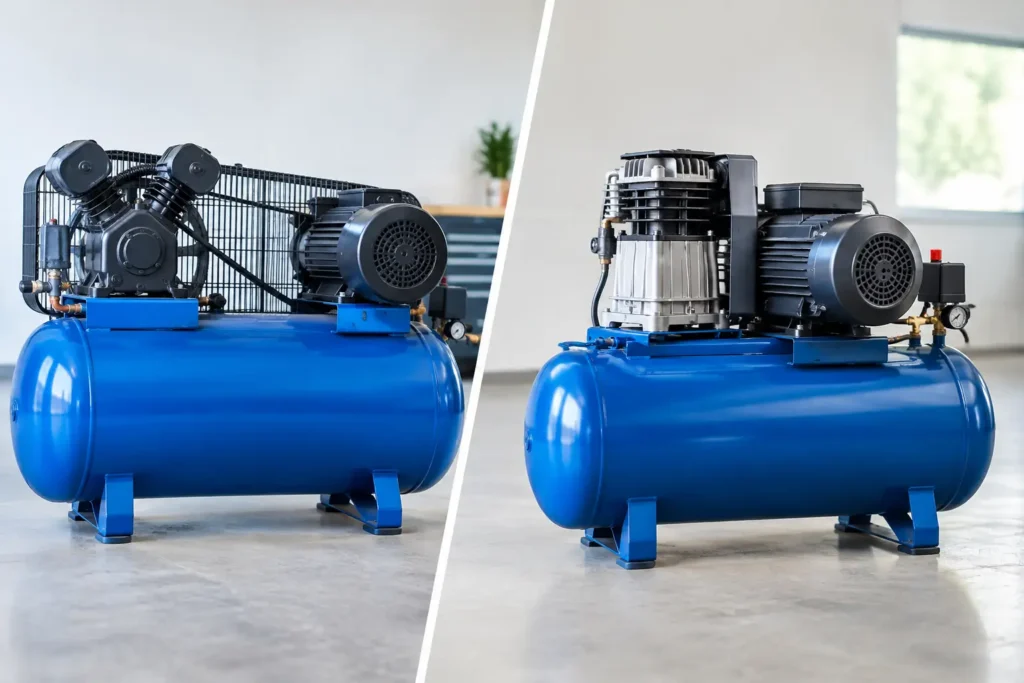
A belt-driven compressor uses an electric motor connected to the pump by pulleys and a drive belt. The motor can turn at a higher speed while the compressor pump runs more slowly. That lower pump speed reduces heat and wear, which matters when the compressor is expected to work hard day after day.
This setup is common in professional garages and larger workshops. Belt-drive machines are normally fitted with larger receivers, often deliver higher usable air output, and are better suited to sustained demand. If you are running a spray gun, air sander, die grinder or other continuous-use pneumatic equipment, this is where a belt-driven model earns its extra cost.
The trade-off is size. A belt-driven compressor is usually heavier, takes up more floor space and is less convenient to carry between jobs. It also has a belt guard and moving components that need occasional inspection. That is not a major burden, but it is part of owning workshop equipment properly.
Why slower pump speed matters
Heat is the enemy of compressor pumps. When a pump runs quickly for long periods, it gets hotter, oil breaks down faster in lubricated models, and internal parts face more stress. A belt-drive arrangement helps control this by allowing the pump to run at a more sensible speed.
That does not mean every belt-drive compressor is automatically better than every direct-drive unit. Build quality, pump design, duty cycle and correct maintenance still matter. However, for frequent commercial use, the belt-drive layout provides a practical advantage.
How direct drive compressors work
With a direct drive compressor, the motor shaft drives the pump directly. There is no belt, pulley system or separate transmission. The design is compact, straightforward and generally cheaper to manufacture, which makes it a popular choice for home garages, mobile mechanics and lighter workshop use.
Direct drive units are often easy to move and store. They are well suited to topping up tyres, operating a nail gun, cleaning parts with an air gun, inflating equipment and handling occasional wheel removal. A small direct-drive compressor can be a useful piece of kit when space is tight and air demand is intermittent.
The limitation is that the pump normally runs at motor speed. This can make the compressor louder and can create more heat during extended operation. If it is continually trying to recover pressure while a high-demand tool is in use, wear increases and performance becomes frustrating.
A direct-drive compressor is not a poor choice because it is compact. It is the right choice when the duty is light enough. Problems begin when a small portable unit is expected to run a bodyshop or keep up with a tyre bay.
Belt versus direct drive compressors for workshop use
The practical difference between belt versus direct drive compressors comes down to air demand, running time and working environment.
A belt-driven machine is generally the better fit for a fixed workshop where compressed air is part of the daily routine. It is more likely to support higher free air delivery, larger tanks and longer operating periods. The slower pump speed can also make it a more sensible investment for garages using air tools throughout the day.
A direct drive model makes more sense where portability and low upfront cost matter most. For a serious DIY user working on one car at weekends, it may deliver everything required without taking over the garage. It can also be ideal as a secondary compressor for quick inflation and cleaning tasks.
Noise deserves proper attention. Both types make noise, but direct-drive compressors are commonly sharper and louder because of their higher pump speed. If the compressor will run near customers, neighbours or an indoor workspace, compare the stated decibel rating rather than assuming the smaller machine will be quieter.
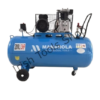
Manarola Electric Portable Single Phase100 Liter 3HP Air Compressor 10 Bar
Match compressor output to the tools you use
Do not choose a compressor solely by maximum pressure or receiver capacity. The key figure is free air delivery, sometimes shown as FAD. This tells you how much usable air the compressor can supply once real-world losses are allowed for.
Check the air consumption of every tool you plan to use. An impact wrench may use air in short bursts, while an air ratchet, tyre inflator and blow gun are similarly manageable for many smaller compressors. A spray gun, orbital sander or grinder can consume air continuously. Those tools need a compressor that can maintain delivery, not just one with a large tank that empties quickly.
As a working rule, choose a compressor with free air delivery comfortably above your highest-demand tool. Allow extra capacity if two people may work at once or if you intend to expand the workshop later. Running a compressor flat out for every task is a false economy, regardless of drive type.
Tank size still has a role. A larger receiver stores more air for short high-demand bursts and reduces how often the motor starts. It does not create more continuous air supply. A 100-litre tank paired with an underpowered pump will still struggle with long sanding or spraying sessions.
Duty cycle is often overlooked
Duty cycle refers to how long a compressor can run within a set period without overheating. A machine designed for occasional use may need significant rest time after running. A workshop-grade unit is built to operate for longer periods, but even then it should not be pushed beyond its rating.
If your compressor is regularly hot, constantly running or unable to rebuild pressure between jobs, the answer is usually more air delivery, not another extension lead or a larger tank alone.
Cost, maintenance and ownership
Direct-drive compressors are normally cheaper to buy. They have fewer external moving parts, are compact and suit buyers who need a practical air source without spending heavily on a fixed installation. For light work, they offer strong value.
Belt-driven compressors cost more upfront, especially models with larger receivers and higher output. The return comes through better suitability for demanding work, potentially longer pump life and fewer performance compromises in a busy garage. For a professional who loses billable time waiting for pressure to recover, that difference can pay for itself quickly.
Maintenance is straightforward on both types when it is done consistently. Drain condensation from the tank after use, inspect fittings for leaks, keep intake filters clean and check the safety valve works correctly. On lubricated compressors, monitor oil level and change it to schedule. With a belt-driven unit, also inspect belt condition, tension and pulley alignment.
Never ignore water in the air system. Compressed air naturally creates moisture, and that moisture can damage tools, contaminate paintwork and corrode the receiver from inside. For spray work, fit suitable filtration and moisture control rather than relying on the tank drain alone.
Which compressor should you buy?
Choose a direct drive compressor if you need a compact, affordable machine for tyre work, cleaning, occasional fastening and general home-garage jobs. It is the sensible option when use is short, irregular and portable operation matters.
Choose a belt-driven compressor if you run air tools regularly, use high-consumption equipment, spray vehicles or need dependable air across a working garage. It takes up more space and costs more, but it is built for a different level of demand.
Before ordering, measure the space available, confirm your electrical supply and add up the air requirements of the tools that will actually be connected. A good compressor should make work quicker, not become the bottleneck. Irish Tools Shop customers looking for affordable, reliable workshop equipment should treat compressor output and duty cycle as seriously as the purchase price – the right machine keeps earning its place long after the initial saving is forgotten.
