



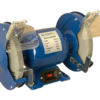
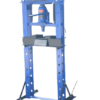
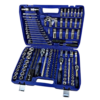



A seized caliper, a flat battery or a damaged suspension arm can turn a booked-in job into lost time when the right equipment is not on hand. For mechanics, tradespeople and serious DIY owners, buying Garage Tools In Cavan is about keeping work moving, protecting vehicles properly and getting equipment that earns its space in the workshop.
The best buying decision is rarely the cheapest item on the page. It is the tool that has the right capacity, fits the jobs you actually take on and stands up to repeated use without letting you down halfway through a repair. From a compact home garage in Cavan Town to a busy independent workshop serving the wider county, the same rule applies: buy dependable kit first, then build around it.
Start with the equipment that keeps vehicles safely supported
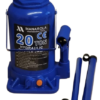
Lifting equipment is the foundation of most automotive work. It is also the category where specifications matter more than appearances. A trolley jack may look heavy-duty, but its lifting capacity, minimum saddle height, maximum lift height and wheel quality determine whether it is suitable for your work.
For regular car servicing, a 2-tonne or 2.5-tonne trolley jack is often a sensible starting point. A low-profile model is the better option for cars with low ground clearance, while a long-reach jack can make positioning easier on larger vehicles. If you work on vans, 4x4s or loaded commercial vehicles, check the actual vehicle weight and lifting points before choosing capacity. Do not assume that a higher-rated jack removes the need for correct support.
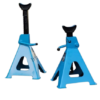
Axle stands are not an optional extra. A trolley jack is for lifting; axle stands are for supporting a vehicle while you work beneath it. Choose a matched pair with a load rating that suits the vehicles in your garage, positive locking and a broad, stable base. For daily workshop use, heavier-duty stands are a sensible investment, particularly where vans and SUVs are common.
As your workload grows, a vehicle lift can make a major difference to speed, access and staff comfort. Two-post lifts suit general repair work where wheel and underbody access are essential. Four-post lifts are useful for inspection, alignment-related work and storage, depending on the model and space available. Before ordering, measure ceiling height, bay width, floor condition and electrical supply. A lift is only good value when the premises can support it safely and installation has been properly planned.
Garage Tools In Cavan: build a working core kit
A well-stocked garage does not need every specialist tool on day one. It needs a practical core that covers servicing, brakes, suspension, engine bay work and fastener removal. Buying a complete set where it makes sense can reduce cost and keep sizes organised, but avoid cheap bundles packed with items you will never use.
A strong starting point includes:
- A metric socket and ratchet set with shallow and deep sockets
- Impact sockets for wheel bolts, hubs and high-torque fasteners
- Combination spanners, adjustable pliers and locking pliers
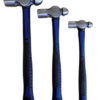
- Screwdrivers, pry bars, hammers and punch sets
- Torque wrenches in the ranges needed for wheels and engine work
- A breaker bar for stubborn bolts and a reliable cordless impact wrench
Impact sockets deserve particular attention. Standard chrome sockets are not designed for repeated impact-gun use and may crack under load. Proper impact sockets are made to deal with the force of an air or cordless impact wrench. They are a straightforward purchase that helps protect both the tool and the person using it.
Torque tools matter just as much. Wheel fasteners, brake components and many engine parts must be tightened to the manufacturer’s specified setting. A quality torque wrench should be selected for the middle of its working range where possible, rather than constantly operating at its absolute maximum. Store it correctly after use and treat calibration as part of maintaining a professional garage.
For workshops handling modern vehicles, add diagnostic equipment and electrical testing tools as demand requires. A multimeter, battery tester and suitable scan tool can prevent guesswork and help identify faults faster. The right diagnostic tool depends on the makes you see, the systems you need to access and whether you require coding or only fault reading and live data.
Air tools and compressors still earn their keep
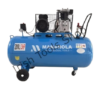
Cordless tools have transformed day-to-day work, but air tools remain hard-working equipment in many garages. A pneumatic impact wrench, air ratchet, tyre inflator, blow gun or die grinder can offer excellent value when paired with the right compressor. The important phrase is the right compressor.
Do not select an air compressor by tank size alone. Check its free air delivery, working pressure and duty cycle, then compare those figures with the air consumption of the tools you plan to run. A small compressor may handle tyre inflation and short bursts from an impact wrench, but it can struggle with continuous-use tools such as sanders or spray equipment. Constant pressure drop slows the job and puts unnecessary strain on the unit.
For occasional work, a compact direct-drive compressor may be enough. For a workshop where air is in use throughout the day, a larger belt-driven unit with adequate air delivery is usually the more practical choice. Noise, drainage, hose routing and available power should all be considered before buying. Water in an air line can affect paint, tools and finishes, so proper moisture control is worth fitting where appropriate.
Brake, suspension and engine tools save time on routine jobs
Routine work becomes profitable when it is carried out efficiently and safely. That is where vehicle-specific and task-specific tools pay for themselves. Brake wind-back kits make caliper piston retraction cleaner and more controlled. Brake bleeding tools help when working alone or turning around repeat servicing jobs. Coil spring compressors, ball joint separators and bearing pullers can turn a difficult suspension repair into a manageable job – provided they are used correctly and are rated for the task.
Spring work needs special care. A compressed coil spring stores serious energy, and unsuitable or poorly fitted compressors are a genuine risk. Use a suitable pair, inspect the threads and locking points before use, and never rush setup. If the job involves unfamiliar suspension design, check the vehicle procedure rather than forcing a general-purpose tool to do work it was not designed for.
For engine removal or major repair, an engine crane and engine stand are practical additions. Check the crane’s rated capacity at each boom position, not merely its highest headline capacity. The longer the boom extension, the lower the available lifting capacity on many designs. Folding cranes are useful where floor space is tight, but a heavier fixed-frame model may better suit constant commercial use.
Storage is part of workshop efficiency
Tools that are scattered, damaged or difficult to find cost money. A tool chest, roller cabinet or workbench is not just a way to make the garage look tidier. It reduces time wasted searching for equipment, protects tools from moisture and makes stock control easier.
Choose storage around your workflow. A mobile roller cabinet works well beside a lift bay, while a larger chest provides room for sockets, spanners, power tools and specialist kits. Check drawer load ratings, runner quality, locking systems and overall weight capacity. Deep drawers are valuable for cordless tools and bulky equipment, but smaller drawers keep hand tools properly separated.
A solid workbench with a vice gives you a dependable place for pressing, cutting, clamping and assembly work. If space is limited, prioritise a clear bench surface over adding more loose shelving. Wall-mounted storage can keep frequently used items visible and accessible, but heavy tools must be fixed to suitable walls with the correct fittings.
Buy for the jobs you do, not the jobs you might do
The temptation with garage equipment is to buy the biggest package or the lowest-priced offer. Both can be false economy. A home mechanic servicing one or two vehicles needs a different setup from a garage handling brakes, clutches and suspension work every week. Likewise, a small commercial workshop may gain more from a better jack, strong axle stands and a quality impact socket set than from an oversized tool chest filled with unused pieces.
Make a short list of the jobs completed most often, the tools that cause delays and the equipment you currently borrow. That gives you a buying order based on real return. Safety-critical equipment should lead the list, followed by tools that save labour on repeat work. Consumables such as gloves, cutting discs, drill bits and sockets are worth keeping in reserve so a small shortage does not hold up a repair.
Irish Tools Shop offers the practical mix many Cavan buyers need: everyday mechanic essentials alongside heavier workshop equipment, with affordable professional-grade options and fast delivery across Ireland. When comparing products, look beyond the sale price at capacity, dimensions, included accessories and warranty cover. Free delivery on qualifying orders can also make it worthwhile to group essential purchases rather than ordering piecemeal.
A garage runs better when every tool has a job, every load rating is understood and the equipment arrives before the next vehicle is due in. Buy the kit that suits your current workload, leave room to grow, and keep the tools that make every job safer and faster within reach.
