







A vehicle balanced on a trolley jack, an air line stretched across the floor and a grinder left beside fuel are not minor workshop issues. They are the sort of shortcuts that turn an ordinary repair into an expensive injury or damaged vehicle. Good garage safety is not about slowing work down. It is about setting up the space so every job can be completed properly, quickly and without unnecessary risk.
For professional mechanics and serious DIY users, the priorities are straightforward: use equipment rated for the job, keep the work area clear, inspect what takes the load and never rely on luck. A well-organised garage also protects the tools you have paid for, reduces downtime and gives customers confidence when they walk through the door.
Start Garage Safety with Safe Vehicle Lifting
Vehicle lifting is the point where no compromises should be made. A trolley jack is designed to lift a vehicle, not to support it while you work underneath. Once the vehicle is raised, position correctly rated axle stands under approved support points and lower the load onto them before starting the repair.
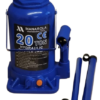
Check the vehicle weight before choosing lifting equipment. The load rating on a jack, axle stand or vehicle lift is there for a reason. A 2-tonne jack may be suitable for lifting one end of many cars, but that does not mean every vehicle, van or 4×4 is within its safe working range. Consider the vehicle’s actual weight, how much of that weight is being lifted and whether added equipment changes the balance.
The floor matters just as much as the equipment. Jacks and stands need a level, solid concrete surface. Avoid lifting on sloped driveways, broken slabs, soft ground or surfaces contaminated with oil. Chock the wheels that remain on the ground, apply the handbrake where appropriate and select Park or first gear before lifting.
Before getting underneath, give the vehicle a firm but controlled stability check. If it rocks, settles or looks uneven, lower it and start again. Never work under a vehicle supported only by a jack. Never use blocks, loose timber, breeze blocks or improvised supports in place of correctly rated axle stands.
Lifts, cranes and heavy workshop equipment
Two-post lifts, scissor lifts, engine cranes and transmission jacks save serious time, but they demand the same discipline. Inspect lifting arms, pads, chains, hydraulics, pins and locking mechanisms before use. Keep the load centred, use the manufacturer-approved lifting points and do not exceed the stated capacity.
An engine crane should be used with a rated chain or leveller, with the boom set to the correct capacity position. Extending the boom usually reduces its lifting capacity. Keep people clear of a suspended engine and never leave a load hanging while you look for parts or take a break.
In a commercial workshop, lifting equipment must be inspected and maintained by competent people in line with applicable workplace requirements. Even in a home garage, regular checks are good practice. Hydraulic leaks, bent frames, damaged castors and worn saddle pads are reasons to take equipment out of service, not reasons to carry on carefully.
Keep Floors Clear and Work Areas Controlled
Most garages collect clutter because every job produces something: removed wheels, parts boxes, socket sets, drain pans, leads and packaging. Left where they fall, these become trip hazards and block access around a raised vehicle. A clear floor gives you room to work, room to move and a fast route out if something goes wrong.
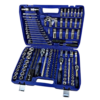
Put tools back as the job progresses rather than at the end of the day. A tool chest or roller cabinet keeps sockets, spanners and electrical tools protected while making missing items easy to spot. Heavy items should be stored low down, while frequently used tools belong where they can be reached without stretching across a bench.
Deal with oil, coolant, brake fluid and fuel spills immediately. Use suitable absorbent material, dispose of contaminated waste correctly and clean the surface before continuing. Brake cleaner and degreasers can make smooth concrete dangerously slippery, particularly near ramps and lifting equipment.
A practical end-of-job check should cover four areas:
- Clear hoses, extension leads and loose parts from walkways.
- Return tools and lifting equipment to their storage position.
- Remove waste fluids, oily rags and used filters from the work area.
- Check that vehicles are lowered, stable and secure before the garage is left unattended.
This takes minutes and prevents the next person from inheriting a dangerous workspace.
Use Power and Air Tools Properly
Power tools make light work of seized fixings and repetitive jobs, but they can cause injury quickly when guards, leads or accessories are neglected. Check cables, plugs, switches and battery casings before use. Do not use damaged electrical equipment, and keep leads away from standing water, hot exhausts and sharp edges.
Match the accessory to the tool and the task. A cutting disc is not a grinding disc, and an impact socket is not the same as a standard chrome socket. Impact tools place high loads on sockets and extensions, so use impact-rated accessories in good condition. Split sockets, rounded fasteners and improvised adaptors are warning signs that the setup needs changing.
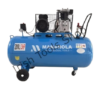
Air tools need the right air pressure and properly secured fittings. Inspect hoses for cuts, cracking and damaged couplings. A loose air line can whip violently, while a hose across a walkway can cause a fall. Drain moisture from the compressor tank as recommended and do not ignore unusual noise, overheating or pressure loss.
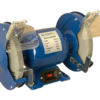
Guards and safety features should stay fitted. Removing a grinder guard may appear to improve access, but it removes the protection designed for disc failure and sparks. The right answer is usually a different tool, a smaller disc or better positioning, not a stripped-down tool.
Control Fire, Fumes and Hazardous Materials
Garages contain more fire risks than most people realise. Fuel, aerosols, solvents, batteries, welding sparks and hot exhaust components can all create a problem when storage and ventilation are poor. Keep flammable liquids in approved, sealed containers away from ignition sources. Do not store petrol in unsuitable bottles or leave fuel containers beside a heater, charger or grinding area.
Oily rags deserve particular attention. Store them in a lidded metal container rather than piling them in a corner or stuffing them into a general bin. Keep a suitable fire extinguisher accessible, make sure everyone knows where it is and replace or service it as required.
Ventilation is essential when engines are running, chemicals are being used or welding work is underway. Exhaust fumes can build up rapidly in enclosed spaces. Open doors where possible, use extraction equipment where fitted and avoid running an engine in a closed garage simply to warm it up or test a minor adjustment.
Battery work also needs care. Remove jewellery, use insulated tools where appropriate and keep sparks away from batteries and charging areas. Modern vehicle batteries and charging systems can deliver serious current. A short circuit can burn tools, damage electronics and cause severe injury.
PPE Should Match the Job
Personal protective equipment is the final line of defence, not a replacement for safe working methods. Still, the right PPE prevents many common workshop injuries. Safety glasses should be standard when grinding, drilling, using compressed air or working beneath a vehicle. Hearing protection is sensible around compressors, impact guns and sustained cutting work.
Gloves are useful for sharp panels, hot components and chemical handling, but they are not suitable for every task. Loose gloves can become caught in rotating equipment. Choose close-fitting gloves when the work allows it, and remove them around drills, lathes and other rotating machinery where entanglement is a risk.
Wear safety footwear with good grip and toe protection, especially when moving wheels, brake discs, jacks or heavy toolboxes. Clothing should be close fitting, free from loose cords and suitable for the temperature of the workshop. It is basic kit, but it earns its place every day.
Inspect Equipment Before It Fails
The safest tool is not necessarily the most expensive one. It is the one that is correctly specified, looked after and replaced when it is no longer fit for work. Check ratchets for slipping, jack wheels for damage, sockets for cracks and power tools for worn brushes, loose guards or overheating.
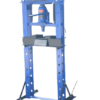
Do not repair structural damage with a weld or a makeshift fix unless the manufacturer permits it and the work is completed by a qualified person. This is especially true for axle stands, jacks, lifting arms and press equipment. The consequences of failure under load are too serious.
Buying dependable workshop equipment at a fair price helps, but specification comes first. Choose the right load capacity, storage size and duty rating for the work you actually carry out. Irish Tools Shop stocks practical garage equipment for everyday repairs and heavier workshop jobs, but every item still needs correct use, inspection and storage.
A safer garage is built through routine, not one big clear-out. Put the stands under the vehicle, clear the hose from the floor, check the lifting point and stop using damaged equipment. Those small decisions are what keep a working garage productive, professional and ready for the next job.
