






A good garage does not need to be huge, expensive or filled with equipment that rarely earns its space. The best workshop setup examples start with the work you actually carry out: servicing, brakes, tyres, engine work, fabrication or weekend repairs. Build around those jobs first, then add equipment that saves time, improves safety and keeps the floor clear.
For a working mechanic or serious DIY user, layout matters as much as the tools themselves. A poorly positioned compressor, a cramped lifting bay or sockets scattered across a bench will slow every job down. Get the foundations right and even a modest single-bay garage can work hard every day.
Workshop setup examples for real jobs
There is no single perfect workshop. A mobile mechanic needs a very different setup from a home enthusiast restoring a classic car, while a busy independent garage must keep vehicles moving through the bays. The common requirement is simple: safe access, dependable tools and storage that puts essentials within reach.
1. The compact home garage setup
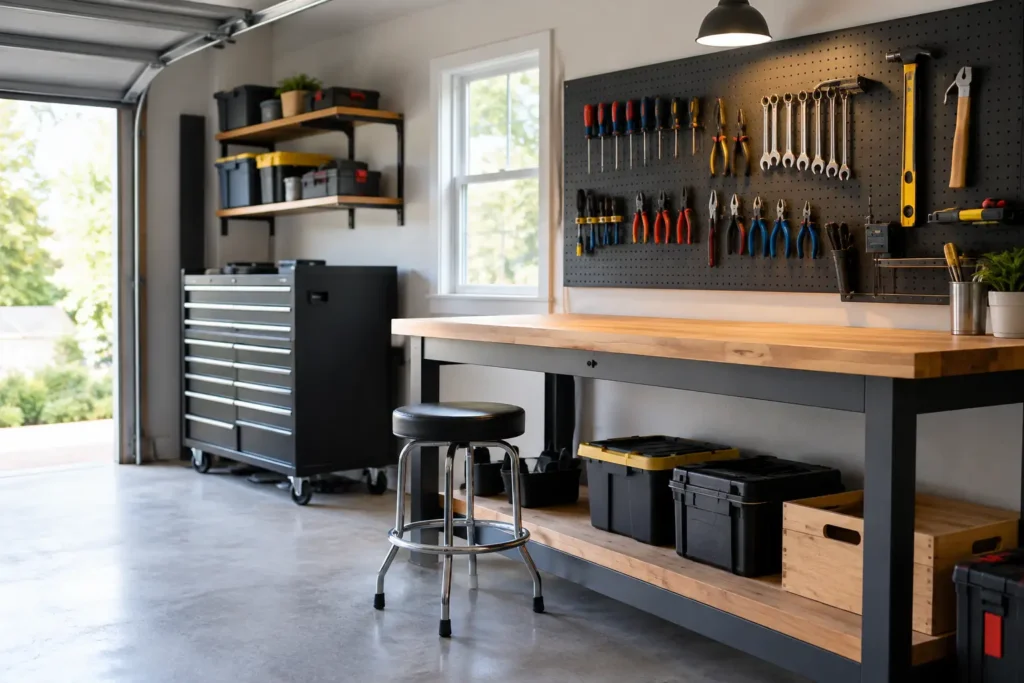
A compact home garage is often a single-car bay with limited wall space. The priority is flexibility. Start with a sturdy workbench against the longest clear wall, ideally with a vice fitted near one end. Keep the bench top for measuring, stripping components and small repairs, not permanent storage.
A roller tool chest gives you the best return on floor space. Position it near the bench but leave enough room to open every drawer fully. Organise sockets, spanners, pliers and screwdrivers by size and type so you are not hunting for a 13 mm socket while a vehicle is sitting on stands.
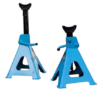
For lifting, a low-profile trolley jack and correctly rated axle stands are the sensible starting point. They take up little space and cover servicing, brakes, suspension work and exhaust repairs. A wheel chock, drain pan and inspection lamp round out the essentials. If you work alone, do not treat lifting equipment as a place to cut costs – capacity ratings, stable construction and proper use matter more than getting the cheapest option.
Wall-mounted shelves are useful for oils, cleaners, gloves and consumables, but keep heavy parts low down. A pegboard can work well for frequently used hand tools, although a lockable chest is better if security or dust is a concern.
2. The service and repair bay
For regular vehicle maintenance, the workshop should be arranged around a clear central bay. Leave enough approach room for the vehicle, space to walk around it and a safe route for moving a jack, transmission tool or parts trolley. The vehicle bay is the earning area, so avoid turning it into storage.
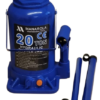
A two-post lift is often the most practical upgrade for a busy garage because it gives full access to wheels, brakes, suspension, exhausts and the underside of the vehicle. It needs proper installation, adequate ceiling height and a suitable concrete floor. If those conditions are not in place, a high-capacity trolley jack and axle stands may be the more realistic choice until the premises are ready.
Set a tool chest close to the bay entrance, with an impact socket set, breaker bar, torque wrench and common service tools in the top drawers. Keep fluids and filters on shelving away from the lift posts and electrical equipment. A small steel parts trolley beside the vehicle prevents bolts, clips and removed components from ending up on the floor.
This setup benefits from a dedicated waste area. Used oil, filters, brake fluid and cleaning products need controlled storage, not an open corner of the workshop. Clear separation makes the space safer and easier to clean at the end of the day.
3. The air-tool workshop
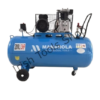
Air tools remain a strong choice for repeated tyre, suspension and bodywork jobs. An air impact wrench, tyre inflator, air ratchet and blow gun can speed up routine work, but the system is only as good as its compressor and air supply.
Put the compressor where it has ventilation and can be reached for draining and maintenance, while keeping it out of the main walking route. Noise is a real trade-off in a small unit. A larger compressor may provide better air delivery, but it takes more room and can make a compact garage uncomfortable during long jobs. Choose tank capacity and output based on demand rather than headline size alone.
Run air hose from a reel or wall-mounted point rather than leaving loose hose across the floor. It is tidier, faster and far safer. Fit suitable air couplers and keep a regulator where you can check pressure easily. For paintwork, moisture control is essential, so a basic garage air line may need filtration and drying equipment before it is suitable for a spray gun.
4. The engine and heavy-repair area
Engine replacements, gearbox work and heavier repairs require open floor space and equipment with a clear safe working load. An engine crane and engine stand make the job more controlled, but they need room to manoeuvre. Do not buy a crane without considering where it will sit when folded or whether it can pass around the vehicle with the boom loaded.
This type of workshop benefits from a separate strip-down bench. Keep it away from grinding dust, welding sparks and traffic through the bay. Use labelled trays or drawer organisers for fasteners, and give larger components a designated shelf or pallet position. Lost bolts waste time; mixed-up bolts can cause real problems on reassembly.
Heavy equipment should be chosen for capacity, not optimism. Check the weight of the engines, gearboxes or vehicles you will actually handle and allow a sensible margin. The same rule applies to axle stands, lifting equipment and transmission jacks. Reliable equipment protects the operator, the vehicle and the job margin.
Build the layout in the right order
Before buying more tools, mark out the floor. Measure the vehicle bay, door swing, lift position, bench depth and access routes. A tool chest that looks compact online can become an obstacle if it blocks a door or stops you opening a car fully.
Set up the fixed items first: lift, workbench, shelving and compressor. Next position mobile equipment such as the trolley jack, engine crane and parts trolley. Finally, arrange hand tools and consumables around the jobs where they are used. This prevents the common mistake of filling a workshop with cabinets before deciding where the vehicle will go.
Lighting deserves the same attention as storage. Bright overhead lighting helps across the whole workshop, while a moveable inspection light is needed for wheel arches, engine bays and underbody work. Shadows around brake lines or suspension joints are more than inconvenient – they can hide faults.
Electrical supply also needs planning. Avoid a chain of extension leads across the floor. Put sockets near the bench and vehicle bay, and keep chargers, power tools and battery support equipment protected from fluid spills. Where heavy machinery is involved, use an appropriately qualified installer rather than making assumptions about load and circuit capacity.
Where to spend and where to stay sensible
Spend properly on lifting equipment, jacks, axle stands, torque tools and the core hand tools used every day. These are the products that affect safety, accuracy and working speed. A dependable impact socket set and a properly rated jack will earn their place far more quickly than a cupboard full of specialist tools used once a year.
You can be more selective with niche diagnostic equipment, duplicate tools and oversized storage. Buy these when the work justifies them. A home garage may need a good general socket set and brake tools before it needs a dedicated gearbox jack. A tyre-focused workshop may make the opposite decision.
Irish Tools Shop is built around this practical approach: affordable professional-grade equipment for mechanics and DIY users who need tools that work, arrive quickly and do not force them into premium distributor prices.
Keep the workshop working
A well-planned garage stays useful only when it is reset after each job. Put sockets back, empty the drain pan, coil hoses, clear the bench and return lifting equipment to its storage position. Five minutes of discipline at the end of a repair protects the next hour of work.
Start with the layout that supports your current jobs, leave room for the equipment you genuinely plan to add, and buy safe, hard-working tools before filling the space with extras. The best workshop is not the one with the most gear – it is the one that lets you finish the next job properly.
