





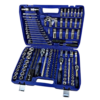



A Ford Transit or Tourneo with timing work booked in is not the job for improvised pins, paint marks and guesswork. The US Pro Ford timing tool kit for 2.0 TDCi EcoBlue diesel engines, Transit & Tourneo applications, is designed to help workshops hold the engine at its specified timing positions while carrying out chain, camshaft or related service work. It is affordable professional-grade tooling for technicians and capable DIY users who need the correct equipment on the bench before strip-down begins.
Why correct timing tools matter on Ford 2.0 EcoBlue engines
The 2.0-litre EcoBlue diesel is found across hard-working Ford commercial and people-carrier models. These engines are built for long service, but timing-chain repairs, camshaft work and engine rebuilds demand accuracy. A small timing error can lead to poor starting, warning lights, rough running, loss of power or, in the worst case, internal engine damage.
Timing tools are not a shortcut around proper repair procedure. They are a controlled way to position and retain key engine components while the technician follows the manufacturer repair information. On a busy garage floor, that means less reliance on marker lines that can move, less uncertainty during reassembly and a better chance of getting the job right first time.
This is especially relevant to vans that earn their keep every day. A Transit off the road costs a tradesperson, fleet operator or delivery business money. Spending sensibly on the correct timing kit can be far cheaper than losing time to a repeat strip-down or repairing damage caused by incorrect valve timing.
US Pro Ford timing tool kit 2.0 TDCi EcoBlue fitment checks
The most important point is simple: do not buy a timing kit on engine size alone. Ford uses model names, engine codes, production dates and component revisions that can affect the exact tooling and repair method required. A listing that states 2.0 TDCi or 2.0 EcoBlue may cover a range of vehicles, but it should never be treated as a blanket guarantee for every Ford diesel carrying similar badging.
Before ordering or opening the engine, confirm the vehicle registration details, VIN, engine code and build year against the kit specification. Check the model carefully too. Transit, Transit Custom, Tourneo Custom and other Ford derivatives can use different engine installations even where the base engine family appears similar.
It is also worth checking what work is actually planned. A kit suitable for locking crankshaft and camshaft timing during chain replacement may not include every specialist tool required for ancillary drives, injector removal, pulley holding or engine removal. Professional workshops will often need separate equipment alongside the timing kit, including quality torque wrenches, sockets, pullers and diagnostic equipment.
What a timing kit should help you control
A Ford-specific timing tool kit is generally intended to establish and retain the correct relationship between the crankshaft, camshaft and other relevant timing components during service. Depending on the exact kit and engine application, this may involve locating pins, locking plates, alignment fixtures or tensioner-related tools.
The value is in accurate location rather than brute force. These tools should fit their intended points correctly and be used with the engine at the specified position. Never force a timing pin or locking fixture into place. If it will not seat as expected, stop and recheck engine position, component condition and the workshop procedure. Forcing it can damage the tool, the engine or both.
When this kit makes sense for your workshop
For garages that regularly see Ford vans, keeping the correct 2.0 EcoBlue timing equipment available is a practical investment. The kit can pay for itself through one correctly completed timing job, particularly when it avoids delays caused by borrowing tooling or waiting for a local supplier to have stock.
It is also a sensible purchase for experienced home mechanics working on their own Transit or Tourneo. The saving only makes sense, however, if you have the technical ability to carry out timing work safely and access reliable vehicle-specific repair data. A timing kit gives you the means to lock and align components. It does not replace torque settings, tightening sequences, chain-routing information or diagnostic checks after the repair.
For occasional users, the decision depends on the scale of the job. If the work is a one-off and the vehicle is essential for work, a specialist garage may be the safer route. If you maintain a small fleet, run a workshop or work on Ford diesels regularly, owning the kit gives you more control over scheduling and repair costs.
Using timing tools properly
Start with a clean, organised work area and make sure the engine is supported correctly where mountings must be removed. Follow the vehicle-specific repair procedure from start to finish, including any instructions to rotate the engine only in a particular direction. Disconnect the battery where required and allow the engine to cool before beginning work around hot components.
Turn the engine by hand to the required timing position. Fit each locking or alignment tool only as instructed. The tools are for positioning and retaining components, not for turning the crankshaft or holding against high tightening torque unless the procedure specifically states otherwise. Use the proper holding tool where pulley bolts or other fasteners need to be tightened or released.
Once the new components are installed, remove the locking tools in the stated order and rotate the engine manually through the required number of turns. Refit the tools to confirm timing alignment before final reassembly. This slow check is one of the most valuable parts of the job. It takes minutes and can reveal a problem before the starter motor is asked to turn the engine.
After reassembly, clear any relevant fault codes only after identifying why they were stored, then run the engine and check for leaks, unusual noise and warning messages. A proper road test, where safe and appropriate, should confirm smooth running and normal power delivery.
Avoid these costly timing-job mistakes
The first mistake is assuming all 2.0 Ford diesels use the same procedure. The second is relying on paint marks alone. Paint marks can be useful as an extra visual reference, but they are not a substitute for correct engine locking points and technical data.
Another common issue is reusing fasteners where the procedure calls for replacement bolts. Timing work often involves high-load or torque-to-yield fixings. Saving a few pounds on hardware can create a much larger problem later. Use approved replacement parts, follow specified torque figures and angle-tightening stages, and do not estimate settings by feel.
Finally, inspect surrounding components while access is available. Look for oil leaks, damaged wiring, worn auxiliary belts, contaminated connectors and signs of poor previous repairs. A timing job is labour-intensive. Sorting clear related issues while the engine is already stripped can prevent the vehicle returning with another avoidable fault.
A practical tool for Ford van repairs
The US Pro Ford 2.0 TDCi EcoBlue timing tool kit is best viewed as essential task-specific equipment, not a universal engine repair set. Its strength is giving the technician the correct basis for accurate timing work on compatible Ford Transit and Tourneo applications. Confirm fitment before purchase, pair it with the right repair data and use it carefully.
For workshops and serious DIY users, buying the right tool before starting is the straightforward way to protect the engine, reduce downtime and keep a Ford diesel repair moving without unnecessary cost.
