






45 Minutes Drive From Dublin
Taplagh, Broomfield,
County Monaghan,
Ireland
A75 XH21
Next Day Delivery All Over Ireland
A garage cannot afford downtime because a jack is too light, an impact socket has rounded off, or a compressor cannot keep up. When buying Garage Tools In Dublin, focus on equipment that earns its space: dependable, correctly rated and built for the work you carry out every week.
For professional mechanics, mobile technicians and serious DIY users, the right tool purchase is not always the cheapest item on the page. It is the one that delivers safe, repeatable performance without tying up cash in premium branding. From a replacement ratchet to a full workshop lifting setup, specifications matter, but so do stock availability, delivery speed and real value for money.
2 Ton Engine Crane / Hoist For Lifting Engines, Machinery And Heavy Components
Start with the jobs your garage handles
A well-equipped garage is built around the vehicles and repairs that come through the door. A tyre-fitting and brake-focused operation needs strong lifting equipment, impact tools and a broad range of sockets. A servicing garage may get more value from diagnostic equipment, fluid service tools, torque wrenches and organised storage. If you work on vans, 4x4s or commercial vehicles, load capacity quickly becomes the deciding factor.
Buying tools one category at a time can create gaps that cost time later. Before placing an order, look at your common jobs from vehicle arrival to final checks. Ask where technicians lose minutes searching for equipment, borrowing tools or waiting for a compressor to recover. Those are usually the purchases with the quickest payback.
A practical starting point for most garages includes quality hand tools, impact socket sets, a trolley jack, axle stands, air supply, tool storage and brake service equipment. The exact mix changes with the work, but these are the foundations that keep routine jobs moving.
Garage tools in Dublin: choose capacity before price
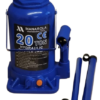
Lifting equipment is a clear example of why specification should lead the buying decision. A trolley jack needs enough capacity for the vehicles you service, but capacity alone is not the whole story. Consider minimum saddle height for lower cars, maximum lift height for SUV and van work, wheel size for moving around the workshop, and the jack’s overall construction.
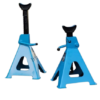
Axle stands must be rated to support the vehicle safely and used as intended. A jack lifts a vehicle; stands support it while work is underway. Do not treat a high lifting rating as permission to ignore safe lifting points, stable ground or manufacturer guidance. For busy workshops, buying a second quality jack and extra stands can prevent jobs queueing behind one bay.
For larger operations, engine cranes, transmission jacks and vehicle lifts can change what the business can take on. They also require more planning. Check floor suitability, available height, access for delivery and installation, vehicle weight, lift type and the space needed to work safely around the vehicle. Cheap equipment that does not suit the premises is not a saving.
Build a hand-tool set that survives daily work
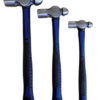
Hand tools are used constantly, so small weaknesses show up quickly. Spanners that spread, poor ratchets, shallow sockets and flimsy screwdrivers slow down good technicians. A professional-grade set does not have to carry a premium price, but it should be selected for the work rather than for the number of pieces in the case.
Prioritise the sizes used most often. A strong 1/4-inch drive set is useful for trims, clamps and confined engine-bay work. A 3/8-inch drive set covers much of everyday servicing, while 1/2-inch drive sockets and breaker bars are better suited to suspension, wheel nuts and heavier fasteners. Impact sockets should be bought separately from chrome sockets where an impact wrench is in regular use.
Torque wrenches deserve special attention. They are not simply another ratchet. Choose the torque range that matches your work, keep the tool stored correctly and do not use it as a breaker bar. For wheel, engine and critical safety fasteners, accurate tightening is part of doing the job properly.
Air tools and compressors must work as a system
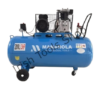
Air tools remain a cost-effective choice for garages because they are tough, fast and simple to maintain. An air impact wrench, tyre inflator, blow gun, die grinder and air ratchet can all make short work of repetitive tasks. The compressor, however, has to support the demand.
Do not choose a compressor based only on tank size. Check its delivered air output, working pressure, duty cycle and the air consumption of every tool likely to run from it. A small unit may be fine for occasional tyre inflation and short bursts of impact work, but it will struggle with continuous sanding, spraying or multiple technicians using air simultaneously.
Pipework, couplings and water management matter too. Moisture in an airline can damage tools and cause poor results with paint equipment. Fit suitable filtration and drainage, and inspect hoses regularly. Air leaks are easy to ignore, yet they force the compressor to work harder and waste money over time.
Tool storage is a productivity purchase
A tool chest or roll cab is not just a place to put equipment. It helps keep frequently used tools close to the bay, protects costly items and makes missing tools easier to spot. Look beyond drawer count. Check the drawer load rating, slide quality, usable depth, locking arrangement and whether the cabinet can take a heavy top box or worktop.
For a single technician, a mobile cabinet with a sensible drawer layout can be more useful than a large fixed chest. For a shared workshop, dedicated storage for diagnostic equipment, brake tools and consumables reduces the familiar problem of one person putting a specialist tool in the wrong place. Foam organisers can be worthwhile for high-use socket and spanner sets, particularly where tool control matters.
Buy by specification, not by a sales label
Promotions are useful when they help you buy the right product at the right time. They are less useful when a low headline price distracts from an unsuitable specification. Before buying garage equipment, compare the details that affect actual performance:
- Load capacity, lift range and weight for jacks, stands, cranes and lifts.
- Drive size, socket material and included sizes for hand and impact tool kits.
- Air consumption, operating pressure and delivered output for pneumatic equipment.
- Motor power, supply requirements and duty cycle for compressors and power tools.
- Dimensions, drawer ratings and locking features for tool chests and cabinets.
- Warranty terms, replacement-part availability and safe operating guidance.
This does not mean the most expensive product is automatically best. A compact trolley jack may be the smart choice for a mobile mechanic, while a heavier workshop jack is better for a fixed bay. An entry-level tool chest can suit a growing DIY garage, but a working technician should not compromise on drawer strength and reliability simply to save a small amount upfront.
4 Ton Low Profile Floor Trolley Jack with Quick Dual Pump & 3 Years Warranty
Keep essential tools available when work is booked in
The problem with buying only when something fails is that the garage is already losing time. Stock a sensible level of consumables and commonly replaced items, including gloves, sockets, drill bits, cutting discs, hose fittings and brake service accessories. There is no need to fill every shelf, but replacing a basic item should not stop a booked-in repair.
For larger purchases, plan around workload and delivery access. A car lift, engine crane or heavy tool chest may need someone available to receive it and suitable access through the premises. Ordering early is better than trying to source vital equipment after a job has arrived.
Irish Tools Shop supplies affordable, reliable workshop equipment for buyers who want professional-use tools without inflated distributor pricing. With a broad range covering everyday mechanic essentials through to heavy-duty lifting equipment, it is easier to build or upgrade a garage without splitting the order across multiple suppliers.
Manarola 4 Ton 2 Post Car Lift With 12 Months Warranty | Single Phase
The tools that save money are the ones that keep working
A good garage setup is not about owning every tool available. It is about having the right equipment ready for the work you actually do, with safe load ratings, useful specifications and enough strength for daily use. Spend where failure would delay a job or create a safety risk. Save where a simpler tool will do the same job reliably.
Choose tools that suit your bays, your technicians and the vehicles you service. That approach keeps repairs moving, protects your budget and gives every new purchase a clear job to do.
