





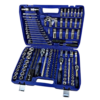



A cambelt job can turn expensive very quickly when the timing is even one tooth out. On Volkswagen Group 1.6 TDI engines, the correct 1.6 tdi timing tool is not a nice extra – it is what lets you lock the crankshaft, camshaft and, where required, the high-pressure fuel pump in their proper positions before fitting the new belt.
For a professional garage, it saves time and avoids comeback work. For a serious DIY mechanic, it removes guesswork from one of the most critical engine jobs you can take on. The key is buying a kit that matches the exact engine, rather than assuming every 1.6 TDI uses the same locking arrangement.
Why a 1.6 TDI timing tool matters
Modern diesel engines are built to tight tolerances. The 1.6 TDI is an interference engine, so incorrect valve timing can allow pistons and valves to meet. That can mean bent valves, damaged rockers, cylinder head repairs and a vehicle off the road far longer than planned.
Paint marks on pulleys are not a reliable substitute for proper locking tools. Pulleys can move during tensioning, old belts may already have been fitted incorrectly, and marks do not prove the crankshaft is precisely at top dead centre. A purpose-made timing kit holds the relevant components securely while the old belt is removed, the new belt is tensioned and the engine is turned through by hand for final checks.
That is why a timing kit belongs in any workshop handling regular VAG cambelt work. It is a relatively small investment compared with the cost of correcting one failed timing job.
Check the engine code before buying
The badge on the boot is not enough. Volkswagen, Audi, SEAT and Škoda used 1.6 TDI engines across several model ranges and production years, and tool requirements can vary between engine families.
Before ordering, confirm the vehicle registration, year, engine power output and, most importantly, engine code. The engine code is commonly found on the vehicle data sticker in the service book or spare-wheel well, and may also be identified through diagnostic or parts information. Do not rely on model year alone, especially where a vehicle sits around a changeover period.
Common 1.6 TDI applications include models such as the Volkswagen Golf, Polo, Passat, Caddy and Transporter, Audi A1, A3 and Q2, SEAT Ibiza, Leon and Toledo, plus Škoda Fabia, Octavia, Rapid and Superb. The same vehicle model can have more than one engine variant over its production run.
A compatible kit should clearly state its engine-code coverage and its equivalent OEM tool references. If the listing only says it fits a broad range of VW, Audi, SEAT and Škoda vehicles, treat that as a prompt to check further, not as proof of compatibility.
What should a proper 1.6 TDI timing kit include?
Kit contents depend on the engine version, but a useful 1.6 TDI timing tool set normally includes dedicated locking pins or plates for the camshaft and crankshaft, along with the pins, tensioner locking devices or setting tools needed for the stated application.
Some kits also include a fuel-pump locking pin. On common-rail diesel engines, the pump does not always require timing in the same way as older rotary-pump diesel systems. However, if the manufacturer procedure specifies a locking position for your engine, the correct tool needs to be in the kit. Always work from the vehicle manufacturer’s repair data rather than fitting tools based on appearance.
The quality of the tooling matters as much as the number of pieces in the case. Look for accurately machined steel pins, rigid alignment plates, clear application information and a fitted storage case. Thin, poorly finished tools can be difficult to seat correctly and do not inspire confidence when you are holding engine timing in place.
Avoid paying for a huge universal kit if most of its contents will never be used. A broad VAG timing set makes sense for a busy independent garage working across different diesel engines. If you are servicing one known vehicle, a targeted kit with confirmed compatibility is usually better value and easier to use.
Timing tools are only one part of the job
A locking kit does not replace the rest of the cambelt equipment. You will still need suitable hand tools, torque tools and the correct service parts. Depending on the engine and vehicle layout, access can also require axle stands, a trolley jack, an engine support bar and removal of the wheel, inner arch liner and engine mounting components.
For a dependable cambelt service, fit a complete quality kit where specified. That generally means the belt, tensioner, idler pulleys and water pump, plus new stretch bolts for engine mounts or brackets where the repair procedure calls for them. Reusing single-use bolts to save a few pounds is false economy.
You also need an accurate torque wrench and, on fixings specified with an angle stage, an angle gauge. Timing tools locate components; they do not tell you whether a mounting bolt or tensioner nut has been tightened correctly. Both sides of the job matter.
A practical approach to using timing tools
Start with the manufacturer procedure for the specific engine code. Read the full sequence before removing covers or loosening any pulleys. This highlights replacement bolts, coolant draining requirements and any special steps needed to release belt tension safely.
Bring the engine to the stated timing position by turning it only in the normal direction of rotation. Fit the crank locking tool and confirm it seats as intended. Then fit the camshaft locking device. Locking pins should insert cleanly when the engine is in the correct position. Never force a pin into place or rotate the engine against an installed locking tool.
Once locked, remove the old belt and inspect all surrounding components. Check for coolant staining around the water pump, roughness in idler bearings, oil leaks from camshaft or crankshaft seals, damaged covers and worn engine mounting hardware. A new belt will not solve a leaking seal or failing pulley.
Fit the replacement components in line with the manufacturer’s sequence. Keep the belt run taut on the non-tensioned side and set the tensioner carefully. Small variations in tensioner pointer position matter, particularly once the engine has been rotated and allowed to settle.
After removing the locking tools, rotate the crankshaft by hand through the specified number of full turns. Do not use the starter motor for this check. Return the engine to its timing position and confirm the locking tools align correctly again. If they do not, stop and investigate before reassembly.
Common mistakes that cost workshops time
The most common error is using a kit without checking engine-code compatibility. A pin that looks close enough is not necessarily correct. Another frequent problem is treating locking tools as clamps. They are alignment tools, not a way to resist high tightening torque while loosening or tightening pulley bolts.
Technicians also get caught out by engine mounts. Many 1.6 TDI cambelt jobs involve supporting the engine and removing mount components for access. Use properly rated lifting or support equipment, follow the prescribed bolt replacement requirements and never leave an engine hanging on an unsuitable jack.
Finally, do not ignore the tensioner setting after turning the engine. Belt tension can settle differently once the engine has completed a full rotation. A final timing and tension check takes minutes. Correcting a noisy belt, warning light or no-start complaint after the vehicle has left the workshop takes much longer.
Choosing value without buying twice
Affordable tooling should still be fit for the work. For occasional cambelt jobs, a vehicle-specific or engine-family kit offers a sensible balance of price and accuracy. For trade use, choose a stronger kit with clear identification, durable case storage and coverage that matches the VAG engines regularly coming through your workshop.
Irish Tools Shop supplies affordable, reliable workshop equipment for mechanics and serious DIY users who need tools that earn their space in the garage. When selecting timing tools, focus on confirmed fitment, solid construction and the equipment needed to complete the whole job safely.
The right kit will not replace service data or careful workmanship, but it gives you a proper starting point: exact mechanical timing, a controlled cambelt installation and confidence before the engine is turned over.
