









A 1.2 TSI timing job can go wrong before the spanners are properly out. These engines use different timing arrangements across generations, and 1.2 tsi timing tools must match the engine code and drive type – not simply the badge on the bonnet. A cheap universal kit that does not locate correctly can cost far more than the proper tooling when valve timing is even one tooth out.
For garages, mobile mechanics and capable DIY users, the goal is straightforward: lock the crankshaft and camshafts accurately, set the tensioner as specified, and turn the engine through by hand before it ever sees the starter motor. The right kit makes that process controlled, repeatable and far quicker.
Why 1.2 TSI timing jobs need dedicated tools
The 1.2 TSI appears in a wide range of Volkswagen Group vehicles, including Volkswagen, Audi, Škoda and SEAT models. That does not mean every 1.2 TSI uses the same timing tooling. Earlier EA111 engines are commonly associated with a timing chain, while later EA211 versions generally use a toothed belt. Their locking points, tensioning procedures and tool requirements differ.
This is where many buying mistakes happen. A listing may say it suits a 1.2 TSI, but that alone is not enough information to order with confidence. Check the engine code from the vehicle data sticker, service record or diagnostic information. Then confirm whether the engine is chain-driven or belt-driven and compare the kit application list against that code.
Dedicated timing tools are not a luxury on these engines. Paint marks can be useful as a reference during strip-down, but they do not establish true top dead centre or replace positive crank and cam locking. Timing components stretch, pulleys can move and previous repairs may not have been carried out correctly. Proper locking tools give you a known starting point rather than relying on somebody else’s marks.
What a 1.2 TSI timing tool kit should include
A suitable kit varies by engine family, but it should provide the components needed to hold the engine in its timed position while the chain, belt, tensioner or associated parts are removed and refitted. For a full repair, look for a kit containing the correct application-specific pieces rather than a box padded with unrelated tools.
A useful kit will normally include:
- a crankshaft locking pin or locating tool for setting top dead centre;
- a camshaft locking plate, bar or alignment tool that fits the cylinder head correctly;
- a tensioner locking pin, retaining tool or setting device where required;
- any pulley holding or counter-holding tool specified for the engine application.
The number of pieces is not a measure of value. A compact four-piece kit that fits your exact engine can be better than a large universal set with several unused adaptors. What matters is accurate fit, clear application coverage and material strong enough for repeated workshop use.
On belt-driven versions, you may also need tools to hold or align camshaft sprockets while belt tension is set. On chain-driven engines, the work may involve tensioner retention and guides, as well as checks for chain stretch or correlation faults. Read the procedure for the exact engine before ordering parts. The timing kit is only one part of the job.
Chain or belt: identify the engine before you buy
Do not order timing tools solely from the model year. Vehicle registrations can overlap, engines are sometimes replaced, and manufacturer production changes do not always follow a clean calendar cut-off. The engine code is the practical route to the right equipment.
Earlier 1.2 TSI chain engines have a reputation for timing chain noise, start-up rattle and correlation faults when wear develops. If diagnosis confirms a timing issue, the repair may require a complete chain kit with guides, tensioner and sprockets, depending on condition and manufacturer repair guidance. The locking kit must suit that chain engine family.
Later belt-driven engines have a different service approach. Belt replacement intervals and inspection requirements depend on the specific vehicle and service schedule. If the belt is being renewed, fit quality parts and replace any specified one-time-use bolts. A new belt installed with incorrect tension is not a successful repair, even if the engine starts and idles.
If the engine code is unavailable, pause before buying. Confirm it through vehicle documentation or a reliable parts catalogue using the VIN. This takes minutes and prevents the wasted delivery time, return process and downtime that come with an incorrect kit.
Getting the timing job right in the workshop
Start with the engine cold where possible and remove enough covers and ancillary parts to see what you are doing. Rushing access is a common cause of damaged clips, missed connectors and poor reassembly. Support the engine correctly if an engine mount has to come off, using suitable lifting or support equipment rather than loading a jack against vulnerable components.
Rotate the engine only in its normal direction of operation unless the repair procedure specifically says otherwise. Bring it to the required timing position, then install the crankshaft and camshaft locks. They should locate without force. If a locking pin will not enter or the cam tool will not sit flat, do not pull it into place with a bolt. Recheck the crank position and valve train alignment.
Once locked, remove the old components and inspect what caused the job. On a chain engine, look for worn guides, a weak tensioner, damaged sprockets or evidence of contact. On a belt engine, inspect pulleys, tensioners and any leakage that could contaminate the belt. Replacing only the visible failed component can create a comeback if the underlying wear is ignored.
After fitting the new parts and setting tension, remove the locking tools and rotate the crankshaft manually through at least two complete revolutions. Return to the timing position and confirm that every locking tool fits again correctly. This simple check is one of the best safeguards available. If the tools do not refit cleanly, stop and correct the timing before reassembling the engine.
Tool quality matters more than a low headline price
Affordable tooling is good business. Poorly made timing tools are false economy. A bent locking bar, badly machined pin or thin holding tool can create play where accuracy is required. For a workshop carrying out repeat repairs, that means slower work and avoidable risk.
Look for hardened steel where the tool takes load, clean machining on locating surfaces and a finish that resists corrosion in a working garage. A moulded storage case is also worthwhile. Timing pins and small adaptors are easy to lose in a busy tool chest, and one missing piece can make a kit unusable when the vehicle is already stripped down.
That said, the most expensive kit is not automatically the right choice. A professional-grade, application-specific set offers better value than paying for a large branded assortment that does not cover the jobs coming through your workshop. Buy for the engine codes you actually service, then expand your timing-tool range as demand requires.
Do not overlook the supporting equipment
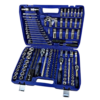
Timing work is rarely completed with a locking kit alone. You will normally need a torque wrench for critical fasteners, suitable sockets and bit sets, a breaker bar, an engine support solution and good lighting. Depending on the vehicle, a scan tool may also be needed to read and clear fault codes or verify cam/crank correlation after the repair.
Keep the work area organised. Lay out removed bolts in order, label electrical connectors where necessary and compare new parts with old ones before fitting. These basic habits save time, particularly on compact Volkswagen Group engine bays where access can be tight and several brackets may need to come off before the timing cover is clear.
For mechanics and serious DIY users across Ireland and the UK, buying the right kit first time keeps the repair moving and the vehicle off the ramp for less time. Irish Tools Shop focuses on affordable, reliable workshop equipment for exactly that kind of job – tools that earn their place in the box rather than sitting unused on a shelf.
Before starting any 1.2 TSI timing repair, verify the engine code, follow the correct manufacturer procedure and make sure every locking tool is fully seated. Accurate timing is not a place to guess.
