








An electric vehicle may arrive for a tyre change, brake job or suspension repair, but the high-voltage system changes the standard expected of the workshop. EV tooling is not one single kit on a shelf. It is a practical combination of correctly rated insulated tools, safe lifting equipment, diagnostic capability and a workshop process that stops routine work becoming a costly or dangerous mistake.
For independent garages and serious technicians, the goal is straightforward: carry out the job safely, protect the vehicle, and avoid paying premium prices for equipment that will not earn its keep. The right set-up depends on the work you take on. A garage handling tyres and mechanical servicing needs a different level of equipment from one carrying out battery isolation, high-voltage fault finding or drivetrain repairs.
What EV tooling means in a working garage
At its core, EV tooling covers the equipment used to service electric and hybrid vehicles safely and efficiently. That includes VDE-insulated hand tools for work around electrical systems, warning and isolation equipment, test equipment suitable for the task, and lifting gear capable of supporting heavier vehicles correctly.
EVs are often substantially heavier than equivalent petrol or diesel models because of the battery pack. Their underbodies also contain protected battery casings, coolant lines and high-voltage cabling. A trolley jack placed in the wrong area can damage expensive components. A poorly chosen lifting point can create an unstable vehicle on a ramp or stand.
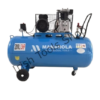
That is why ordinary workshop tools still matter. Quality axle stands, low-profile trolley jacks, impact sockets, torque tools, brake service kits and a reliable compressor remain central to EV servicing. The difference is that technicians must use them with vehicle-specific lift points, torque figures and electrical safety procedures in mind.
12/24V DC Dual Battery Mobile Jump Starter / Power Supply 120V & 230V AC 2000mA
Start with the work you actually carry out
Buying every specialist EV item at once is rarely the best value. Build your EV tooling around the jobs booked into your workshop and the training held by your staff.
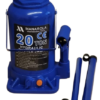
For routine tyres, brakes, steering and suspension work, concentrate first on safe vehicle lifting. Check the capacity of your two-post lift, scissor lift, trolley jack and axle stands against the kerb weight and permitted lifting points of the vehicles you see. Lift pads and rubber blocks can be particularly useful where manufacturers specify reinforced jacking locations. A heavy vehicle on a lift is no place to cut corners on capacity or condition.
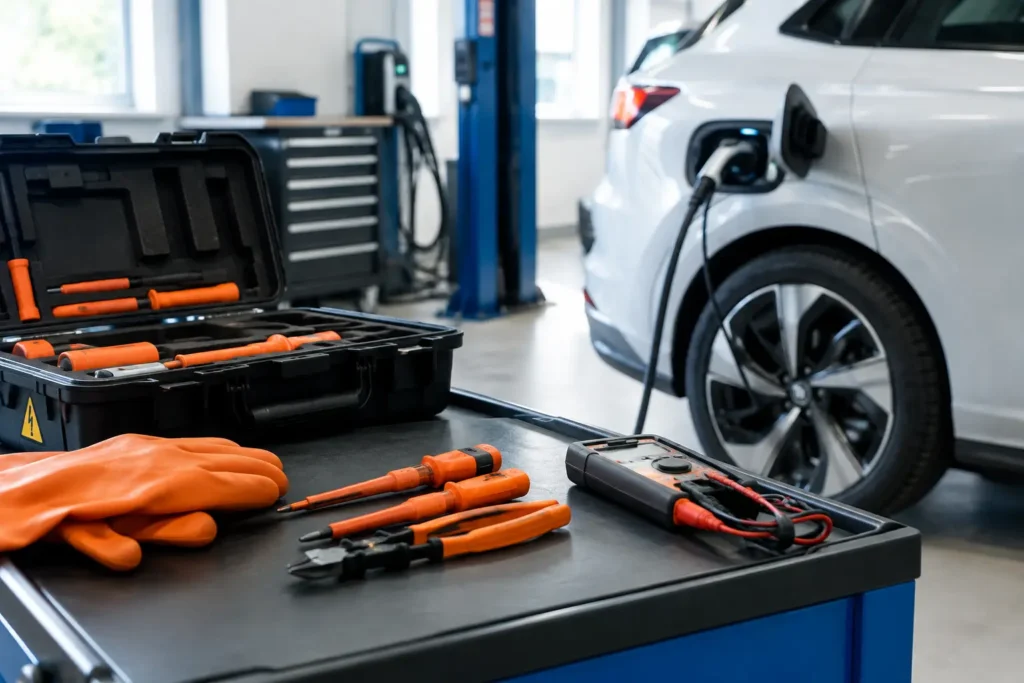
For interior trim, 12V electrical work and work in the vicinity of orange high-voltage cables, insulated hand tools offer an extra layer of protection. Look for tools independently rated for electrical work, rather than assuming a plastic handle makes a screwdriver safe. Insulated socket sets, screwdrivers, pliers and cable cutters should be clearly marked, kept clean and inspected regularly for damaged insulation.
If your business is taking on high-voltage isolation, battery work or live diagnostic procedures, the requirement moves beyond tools. You need appropriately trained and authorised staff, documented procedures, vehicle information and suitable test equipment. A cheap multimeter or a general-purpose socket set is not a substitute for correct high-voltage safety controls.
Insulated tools are not a licence to take risks
A common mistake is treating VDE tooling as permission to work on a live vehicle. It is not. Insulated tools are a protective measure for specific circumstances, not a replacement for isolation, lock-off procedures or technician competence.
Before any high-voltage related repair, follow the manufacturer process for identifying the system, powering down where required, isolating the battery and proving the circuit state with suitable equipment. Secure the vehicle so another person cannot reconnect it while work is underway. Mark the work area clearly and keep unnecessary staff away.
Tool condition matters as much as the rating printed on the handle. Do not use insulated pliers with split grips, screwdrivers with chipped coatings or sockets that have been modified to fit. Store electrical tools separately from general workshop tools where possible. This prevents damage from loose metal tools, oil contamination and the usual hard treatment found in a busy tool chest.
Lifting equipment matters more with EVs
The battery location creates one of the biggest practical differences in EV workshop work. On many models, the battery pack sits low across the floorpan. The vehicle may have a low centre of gravity, but it can still be extremely heavy and vulnerable underneath.
Before lifting, confirm the vehicle weight, approved lift points and any instructions for battery protection. Never guess because a previous model looked similar. Manufacturers can change underbody layouts, jack points and weight distribution between model years.
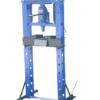
Your lifting equipment should be chosen for honest workshop use rather than its headline price alone. Check safe working load, lifting range, pad condition, lock operation and stability. A low-profile trolley jack helps with low-slung EVs, while correctly rated axle stands are essential where a vehicle will remain raised for longer work. For garages expanding their capacity, a properly specified car lift can improve access, speed up routine jobs and reduce the temptation to improvise.
Torque control is equally important. Wheels, suspension components, battery shields and undertrays must be refitted to the correct specification. A dependable torque wrench is a basic investment that protects both the vehicle and your reputation. Calibrate it as required, use it within its range, and do not use it as a breaker bar.
US PRO 15 Meter Wall Mounted Retractable Cable Reel 230V 3200W
Build an EV-ready bay, not just an EV tool box
The most efficient workshops make the work area part of the safety system. Set aside a clean, well-lit bay for electric and hybrid vehicles when the job involves high-voltage systems. Keep access clear around the lift, and give technicians enough room to position battery support equipment, drain trays or diagnostic gear without creating trip hazards.
A practical EV bay normally needs clear high-voltage warning signage, a defined isolation area and an organised storage point for insulated tools and PPE. Fire arrangements should be reviewed as part of the workshop risk assessment, following the guidance relevant to your premises and insurers. Do not rely on one generic answer for every battery incident – the correct response depends on the vehicle, battery condition and emergency services advice.
Organisation saves time on everyday repairs too. A mobile tool trolley with commonly used sockets, impact tools, trim tools, torque equipment and brake tools keeps the technician moving rather than walking across the workshop for every fastener. Keep specialist electrical items protected and easy to identify, rather than buried under oily general-use tools.
Where affordable workshop equipment delivers value
A garage does not need to replace every tool because it has started servicing EVs. Most profitable EV work still uses familiar workshop equipment: tyre tools, impact sockets, brake piston wind-back kits, pullers, jacks, stands and storage. The sensible approach is to upgrade the gaps that affect safety, access or job turnaround.
Buy heavy-duty equipment where failure would stop work or put people at risk. Lifting gear, axle stands, torque tools and insulated hand tools should be selected on specification, rating and build quality. For supporting items, focus on practical value: strong tool storage, replacement sockets, consumables and workshop accessories that keep technicians productive without inflating the job cost.
Irish Tools Shop supplies the hard-working garage essentials needed to build that foundation, from lifting and support equipment to hand tools, impact sockets and workshop storage. For specialised high-voltage equipment, compare the specification carefully against the vehicles and procedures your garage is qualified to handle.
A practical buying checklist for EV tooling
Before placing an order, ask four straightforward questions. What vehicles do we service most often? What is their maximum weight and approved lifting method? Which repairs are staff trained and authorised to perform? Which missing tool currently delays a job, creates a safety concern or forces us to turn work away?
Then check the detail. Confirm load capacities rather than relying on appearance. Check whether insulated tools carry the required electrical rating. Measure lift heights and trolley jack clearance. Review storage space, replacement availability and warranty support. A cheaper tool that does not fit the job is not a saving.
The best EV workshop investment is usually the one that removes a genuine bottleneck. Start with safe lifting, dependable mechanical tools and disciplined electrical safety. Add specialist equipment as your workload, training and repair capability grow. That keeps your garage ready for more EV work without tying up cash in tooling that stays unused.
