







A seized brake caliper, a failed trolley jack or a compressor that will not build pressure does not wait for a convenient buying window. When a bay is tied up, the cost is not just the replacement tool. It is lost labour, delayed handovers and customers waiting for their vehicle back. That is why fast delivery tools online are not simply a convenience for working garages. They are part of keeping the workshop productive.
Buying tools online should give you more choice and better prices than the local counter, without adding days of downtime. The right retailer makes that possible with clear stock information, proper product specifications, dependable dispatch and delivery options that suit the size of the item. A 10 mm socket set and a two-post lift do not travel in the same way, so buyers need to know what to expect before committing to an order.
Why fast delivery matters in a working garage
A professional workshop cannot always plan purchases weeks ahead. Some requirements are predictable, such as replacing worn consumables or expanding a socket range. Others arrive with the job: a snapped extractor, a failed air ratchet, a vehicle that needs lifting equipment beyond the capacity of the existing ramp.
In those moments, buying the cheapest item on paper can be a false economy if delivery is unclear or the specification does not match the job. A lower-priced jack is no saving if it lacks the lifting capacity needed for the vehicles you service. A discounted impact socket set is no use if it does not include the sizes required for the repair in front of you.
Fast fulfilment helps garages react, but it also helps them plan. Keeping trusted suppliers for regular tool purchases means fewer last-minute compromises. Instead of paying inflated local prices for whatever is available, you can order equipment that suits your workload, budget and workshop standards.
What to check before ordering fast delivery tools online
Speed is valuable, but it should not replace proper buying checks. The best online tool purchase is the one that arrives quickly and performs properly from day one. Before placing an order, take a close look at the stated specification, compatibility, warranty details and delivery information.
Match capacity to the real job
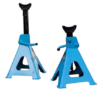
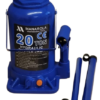
Load ratings are not marketing figures. They are safety-critical. Check the safe working load on trolley jacks, axle stands, engine cranes, presses and lifting equipment, then allow for the vehicles and components you handle most often. Do not buy to the bare minimum if your workload regularly sits close to that limit.
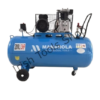
The same applies to air compressors. Consider tank size, air displacement, operating pressure and the air demand of the tools you intend to run. A compact compressor may suit tyre inflation and occasional blow-gun work, but continuous sanding, spraying or heavy impact work usually needs more air capacity.
Read the dimensions, not just the product name
Workshop equipment has to fit through doors, between bays and into the space you actually have. Check overall height, width, platform length and minimum clearance for car lifts, cranes, tool chests and storage units. For hand tools, confirm drive sizes, socket profiles and included pieces rather than relying on a headline count.
A 94-piece set can be excellent value, but only if those pieces cover the work you do. Mechanics working on modern vehicles may need deep sockets, E-Torx, spark plug sockets and impact-rated tools. A general DIY buyer may get better value from a smaller, well-chosen kit plus a reliable trolley jack and axle stands.
Check whether the item is genuinely ready to dispatch
Stock wording matters. An item shown as available is different from one that is supplier-ordered, backordered or awaiting a container delivery. Where a tool is needed urgently, check the status before checkout and avoid assuming that every large item will arrive at the same speed as a boxed hand-tool set.
Heavy and oversized workshop products can require specialist handling. That is normal, not a warning sign. The practical question is whether the delivery arrangement is clearly explained and realistic for your premises. Consider access for a pallet delivery, whether someone will be available to receive it and how the equipment will be moved into position safely.
Build a workshop buying list before the emergency
The strongest buying decisions are rarely made while a vehicle is blocking a ramp. Make a short list of the tools that would immediately affect your work if they failed or went missing. This gives you a clear purchasing plan and makes reordering much quicker when the time comes.
For many garages, the priority list includes impact sockets, breaker bars, axle stands, trolley jacks, brake wind-back kits, air hoses, couplers, wheel sockets, torque wrenches and common service tools. These are not glamorous purchases, but they prevent small equipment failures from slowing down profitable work.
For a growing workshop, larger investments deserve the same approach. Tool chests improve organisation and reduce wasted time searching for equipment. An engine crane opens up more repair capability. A properly specified vehicle lift can change the pace and range of work a garage can take on. These purchases should be based on capacity, layout and expected use, not just the biggest discount.
When price matters and when it should not lead
Affordable tools are good business. Paying a premium just for a familiar badge does not always make sense, particularly for equipment used occasionally or for expanding a new workspace. However, there is a difference between buying affordable professional-grade equipment and buying unsuitable equipment because it is cheap.
For tools used every day, focus on construction, rating, warranty and serviceability. A socket that rounds fasteners, a jack that will not hold pressure or a flimsy tool chest with weak slides costs more in frustration and replacement than it saves at checkout. For occasional jobs, a value-focused kit can be the sensible choice, provided it meets the required standard and capacity.
This is where clear online specifications matter. Buyers should be able to compare materials, drive sizes, lifting loads, dimensions and included accessories before ordering. Good value comes from buying the right tool once, then putting it to work.
Fast delivery is strongest when paired with smart ordering
If you are already ordering a major item, review the smaller needs around it. Adding essential consumables, service tools or storage accessories can reduce future delays and make better use of delivery costs. Orders above €50 at Irish Tools Shop qualify for free shipping, which can make it practical to combine planned purchases rather than placing several small orders.
That does not mean adding products for the sake of it. Buy what you will use: spare impact sockets, hose fittings, gloves, tool trays, brake service accessories or a replacement torque wrench where the old one is no longer dependable. The aim is to reduce unnecessary repeat orders while keeping useful stock on hand.
For urgent replacements, keep the order simple. Confirm the exact item, delivery address and contact details, then choose equipment that meets the job rather than chasing extras. A fast purchase is only useful when the correct tool reaches the correct workshop without avoidable hold-ups.
Choosing the right tools for your type of work
General repair garages need a broad foundation: lifting equipment, socket sets, air tools, brake service kits and storage. Tyre and wheel specialists may prioritise high-torque impact tools, thin-wall wheel sockets, compressors and accurate torque equipment. Mobile mechanics need portable tools that offer useful capacity without filling the van. Serious DIY users should concentrate on safe essentials before buying specialist equipment for jobs they may only do once.
There is no single best tool list because workload decides the value. A car lift may be the right next purchase for a busy garage, while a well-organised chest and better hand tools may produce a faster return for a smaller operation. Buy according to the jobs you complete, the vehicles you see and the limits of your workspace.
The point of buying tools online is not to collect more equipment. It is to get reliable kit at a fair price, delivered quickly enough to keep work moving. Choose the specification carefully, order before shortages become emergencies and keep the tools that earn their place in the workshop close at hand.
