






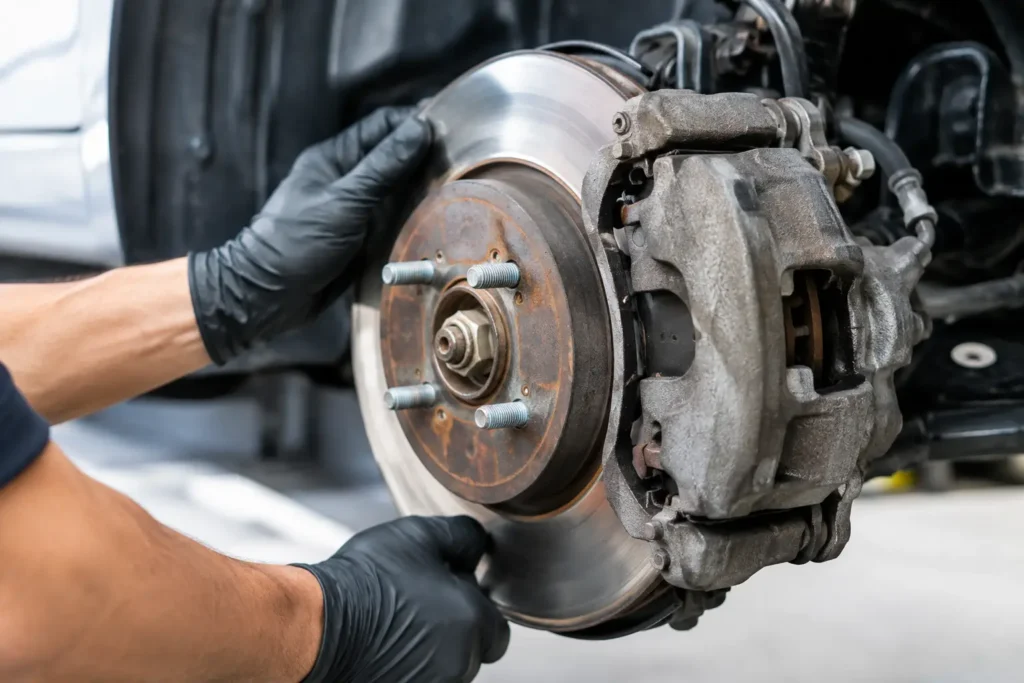
A wheel that is noticeably hotter than the others, a car pulling under braking, or a sharp burning smell after a short run are not faults to ignore. Why do brake calipers stick? Usually, the caliper is no longer able to release the brake pads fully after you lift off the pedal. That leaves the pad dragging on the disc, creating heat, wear and potentially a serious loss of braking performance.
A sticking caliper can sometimes be repaired with straightforward workshop work. In other cases, replacement is the safer and more cost-effective answer. The right choice depends on whether the problem is in the sliding mechanism, the piston, the hydraulic hose or the brake pad hardware.
What a brake caliper should do
Most modern cars use floating calipers on at least one axle. When you press the brake pedal, brake fluid pushes the caliper piston outward. The piston presses the inner pad against the disc, while the caliper body slides on guide pins to pull the outer pad into contact.
When you release the pedal, the square-cut piston seal relaxes slightly and the pads move back by a very small amount. There is no large visible gap between pad and disc. The system simply needs enough clearance for the wheel to turn freely without constant friction.
If the piston cannot retract, the guide pins cannot slide, or pressure is trapped in the hydraulic circuit, the brake remains partly applied. That is the basic reason a caliper sticks.
US PRO Air Powered Brake Caliper Wind Back Tool Suits 3/8″ Drive
Why do brake calipers stick in real workshop conditions?
Seized or dry slider pins
On a floating caliper, the guide pins are just as important as the piston. They allow the caliper to move sideways and apply equal pressure across both pads. Road salt, water and damaged rubber boots allow corrosion to build up around the pins. Old or incorrect grease can also harden, swell the rubber components or wash away.
A seized slider often causes uneven pad wear. One pad may be almost worn out while the other still has plenty of material left. The vehicle may also pull to one side during braking, although a mild bind is not always obvious from the driver’s seat.
The proper repair is to remove the pins, inspect the bores and rubber boots, clean reusable parts thoroughly and lubricate them with brake-compatible silicone or specialist caliper grease. Do not use copper grease or general-purpose grease on slider pins unless the vehicle manufacturer specifically permits it. If the pin is pitted, the bore is corroded or the boot will not seal, fit a repair kit or replacement caliper carrier.
Corroded caliper piston
The piston sits behind a dust boot at the front of the caliper. Once that boot splits or lifts, moisture reaches the piston surface. Rust then forms where the piston travels through the seal. As the pads wear down, the piston extends farther and the corroded section can enter the seal area. It may then stick when asked to retract.
This fault is common on vehicles used for short journeys, parked outside or driven through winter salt. A piston can be freed temporarily during a pad change, but forcing it back without inspection is not a repair. If there is corrosion, flaking plating, fluid leakage or damage to the dust boot, rebuild the caliper with quality seals and a suitable piston, or replace the complete unit.
For many working garages and DIY mechanics, a new or professionally reconditioned caliper is the sensible value option. It reduces labour time and avoids fitting fresh pads against a piston that may seize again within weeks.
Pads seized in the carrier
Brake pads need to move freely in the carrier abutments. Rust can build up beneath the stainless steel clips, narrowing the channel until the pad ears jam. Paint, heavy grease, bent clips and poor-quality replacement hardware can cause the same issue.
This is an easy fault to miss because the caliper piston and guide pins may appear sound. Remove the pads and check that they slide smoothly in the carrier with the clips fitted. Clean corrosion from the pad lands carefully, without removing excess metal or altering the fit. Replace rusty clips rather than reusing them.
Use only a light smear of appropriate brake lubricant on the contact points where specified. Grease on the pad friction material or disc will contaminate the brakes and can mean replacing both pads and discs.
A restricted flexible brake hose
A flexible brake hose can break down internally even when the outside looks acceptable. The inner lining may collapse and behave like a one-way valve. Fluid pressure reaches the caliper when the pedal is pressed, but cannot return freely when the pedal is released.
A useful diagnostic clue is a wheel that remains tight until the bleed nipple is opened. If fluid releases under pressure and the wheel immediately frees off, trapped hydraulic pressure is likely. The hose is a common cause, although an ABS hydraulic unit or master cylinder fault can produce similar symptoms.
Do not assume the hose is at fault without checking the rest of the system. But if a hose is old, cracked, swollen or suspected of internal restriction, replacement is cheap insurance compared with overheated discs, ruined pads and an unsafe vehicle. Brake hoses should be replaced carefully, routed correctly and tightened to specification before the system is bled.
Sticking handbrake mechanism on rear calipers
Many rear calipers have a mechanical handbrake lever built into the body. The lever, return spring or internal screw mechanism can corrode and fail to return fully. A handbrake cable may also seize inside its outer sheath, holding the lever on even though the handbrake inside the car appears released.
Check that the external lever returns firmly against its stop when the cable is disconnected. If it does not, the caliper is usually due for replacement or overhaul. If the lever moves correctly with the cable removed, inspect the cable before condemning the caliper.
Electronic parking brake systems require extra care. Depending on the vehicle, the actuator may need to be placed in service mode with a diagnostic tool before the piston is wound back. Forcing it can damage the motor or gears and turn a routine rear pad job into an expensive repair.
Signs of a sticking caliper
A dragging brake creates heat quickly. After a cautious drive, compare wheel temperatures without touching the disc or caliper directly. An infrared thermometer is the safer workshop tool. One wheel substantially hotter than the matching wheel on the other side is a strong warning sign.
Other symptoms include reduced fuel economy, a vehicle that drifts or pulls, a steering wheel vibration caused by an overheated disc, smoke from a wheel, a burning smell and rapid or uneven pad wear. Severe heat can discolour the disc blue or purple, damage the wheel bearing grease and boil the brake fluid.
Do not continue driving to “see if it clears”. A binding brake can escalate from a noisy nuisance to brake fade, damaged components or a tyre fire risk.
Diagnose the fault before ordering parts
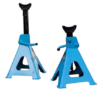
Lift and support the vehicle safely on axle stands, then check whether the affected wheel rotates freely with the brake released. Never rely on a trolley jack alone. Remove the wheel and inspect pad thickness, disc condition, slider boots, piston boot and pad clips.
Next, assess the mechanical movement. With the caliper removed from the carrier and supported so the hose is not strained, check whether the slider pins move smoothly. Check whether the pads move freely in their clips. On rear brakes, inspect the handbrake lever and cable operation.
If the brake remains locked, carefully opening the bleed nipple can help separate a hydraulic pressure issue from a mechanical seizure. Use suitable brake fluid handling procedures and be prepared to bleed the system afterwards. If releasing fluid frees the brake, investigate the flexible hose and upstream hydraulic components. If it stays tight, the piston, pads or sliding hardware are more likely to blame.
Repair or replace: make the sensible call
A clean, lightly corroded carrier with sound pins and intact boots may only need servicing hardware, correct lubricant and fresh pads. A piston with damaged plating, a torn boot, fluid leakage or heavy corrosion should not be treated as a quick clean-up job.
Replace pads as an axle set, and replace discs in pairs when they are below specification, deeply scored, heat-spotted or contaminated. Fitting new pads to one overheated disc or one faulty caliper often creates uneven braking and a return job.
Use proper equipment for the work: axle stands, a brake piston wind-back kit where required, a torque wrench, suitable sockets and a brake bleeding kit. Irish Tools Shop stocks the practical workshop tools needed for brake servicing without the premium price tag, helping keep essential repairs moving.
After any brake work, torque wheel bolts correctly, pump the brake pedal until it is firm before moving the vehicle, check the fluid level and carry out a cautious road test. A correctly repaired caliper should release cleanly, wear pads evenly and leave no single wheel running hotter than the rest.
