






F Tools 12 Drawer Tools Chest Cabinet With Tools With Strong Wheels
A garage loses money every time a vehicle is waiting for a jack, a socket, air supply or clear working space. The right Irish garage equipment is not about filling a workshop with expensive kit. It is about buying the equipment that removes delays, works safely under load and earns its place every day.
For mechanics, garage owners and serious DIY users, the priority is simple: dependable equipment, sensible specifications and a price that leaves room in the budget for the next job. From a compact home workshop to a busy vehicle repair bay, buying in the right order makes a major difference.
Irish Garage Equipment That Does the Daily Work
The best workshop setups start with the jobs carried out most often. Brake work, tyre changes, servicing, suspension repairs and engine work all demand reliable support equipment before specialist tools become useful. A high-capacity trolley jack, correctly rated axle stands, impact sockets and a proper tool chest will usually deliver more value than a niche tool used twice a year.
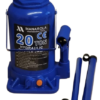
Load rating matters, but it is not the only specification worth checking. Consider the minimum and maximum lifting height of a trolley jack, particularly if you work on low cars, vans or 4x4s. Look at the saddle design, wheel quality and handle length as well. A jack that reaches the vehicle but cannot lift it high enough for axle-stand placement creates a frustrating and unsafe bottleneck.
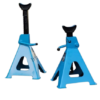
Axle stands should always be selected as a matched part of the lifting setup, not as an afterthought. Check their rated capacity as a pair, their maximum height, base footprint and locking mechanism. A strong steel stand with a wide, stable base is a better long-term purchase than an ultra-cheap set that feels unsteady on a busy concrete floor.
For garages carrying out regular underbody work, lifting equipment can change the pace of the whole operation. A two-post lift offers excellent access to wheels, brakes, suspension and exhaust components, while a scissor lift can suit workshops where floor space or ceiling height is tighter. The right choice depends on the vehicle types you see, the available electrical supply, installation requirements and whether the lift will be used every day.
Start with safe lifting capacity
Do not buy equipment based solely on the heaviest car likely to enter the workshop. Allow for loaded vehicles, commercial use and the margin needed for safe operation. A garage working on SUVs, electric vehicles and light commercial vans may need more capacity than one focused on small hatchbacks.
Also account for floor condition. Lifting equipment needs a sound, level concrete base. Even quality equipment cannot compensate for an unsuitable installation surface. If in doubt, check the requirements before ordering rather than trying to make a poor site fit the equipment later.
Air Tools and Compressors: Match the Supply to the Job
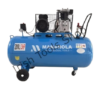
Air tools remain a practical choice for fasteners, wheel work, cleaning and certain paint or bodywork tasks. Their advantage is speed and durability, but the compressor must be capable of supporting them. An impact wrench with high air demand will feel underpowered when connected to a small compressor with limited airflow.
The figure to focus on is delivered air volume, often shown as litres per minute or cubic feet per minute, alongside working pressure. Tank size matters too, especially where a tool is used in bursts, but a large receiver cannot make up for a pump that does not produce enough air. Check the tool’s stated consumption and buy a compressor that provides comfortable headroom.
A smaller direct-drive compressor can suit occasional tyre inflation, blow-gun cleaning and light DIY work. For repeated wheel removal, air ratchets and workshop use, a belt-driven unit with a larger tank is usually the better investment. It may cost more at the outset, but it runs with less strain and avoids constant stops while the tank refills.
Do not overlook the basics around the compressor. Good hose, proper couplings and a water separator all protect tool performance. Moisture in the air line can damage air tools and cause problems with paintwork, so air treatment is worth adding from the beginning.
Manarola 4 Ton 2 Post Car Lift With 12 Months Warranty | Single Phase
Build a Tool System, Not a Pile of Tools
A workshop becomes slower when tools are scattered across benches, drawers and boxes. Tool storage is working equipment, not decoration. A roller cabinet or tool chest keeps common hand tools protected, visible and within reach, cutting time wasted looking for the right spanner or socket.
Choose storage based on what it will carry. Deep drawers are useful for power tools, larger sockets and brake service kits. Shallow drawers make more sense for combination spanners, pliers and screwdrivers. Check drawer load ratings, locking arrangements, castor quality and the overall weight capacity. A cabinet that is cheap but difficult to move once loaded will soon become a nuisance.
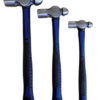
For socket sets, buy coverage before chasing maximum piece counts. A practical workshop needs common drive sizes, six-point impact sockets for high-torque work, extension bars, universal joints and breaker bars. Chrome sockets have their place for hand use, but impact tools require impact-rated sockets. Mixing the two is false economy and can be dangerous.
Brake service equipment is another area where the correct kit pays for itself quickly. A brake piston rewind set, caliper wind-back tools, brake bleeding equipment and line spanners help complete common work without improvised methods. Vehicle coverage matters here, particularly with modern rear calipers and electronic parking brake systems, so check the adaptors included before buying.
Spend Where Failure Costs You Most
Not every item needs the same budget. Basic consumables can be replaced easily, but failure in lifting, torque or high-impact applications can stop a job or create a safety risk. Put more of the budget into trolley jacks, axle stands, engine cranes, lifting equipment, impact sockets and the tools used every day.
An engine crane is a good example. Rated capacity is essential, but reach, boom positions, folded storage size and caster movement matter on the workshop floor. If engines are removed regularly, an engine leveler is often worth adding at the same time. It gives far better control when manoeuvring an engine and gearbox through a tight bay.
Value does not mean choosing the lowest ticket price. It means buying equipment that is fit for the task, has clear specifications and will keep working through repeated use. A discount is only useful if the product capacity, build quality and intended duty match the job in front of you.
0.5 Ton Vertical Hydraulic Telescopic Car Gearbox Transmission Jack
A practical buying order for a new garage
When budget is limited, prioritise the equipment that lets you carry out safe, billable work straight away:
- Trolley jack and correctly rated axle stands
- Core hand tools, impact socket sets and a breaker bar
- Compressor and air tools suited to the available air supply
- Tool chest or roller cabinet for organised daily access
- Brake service tools and diagnostic equipment based on the vehicles you handle
After that, add specialist equipment according to demand. An engine crane makes sense for a garage taking on engine work. A vehicle lift becomes a stronger purchase once underbody repairs, servicing volume and available space justify it. Buying equipment in this order prevents the common mistake of owning impressive specialist kit while lacking the essentials for routine repairs.
Manarola 4 Ton 2 Post Car Lift With Electric Lock Release / Auto Lock | Single Phase
Check the Details Before You Order
Online buying gives you access to more choice and sharper pricing, but specifications need proper attention. Compare dimensions, capacity, included accessories and delivery information before committing. For large items, measure door openings, bay space and storage areas. There is little value in saving on a workshop cabinet or lift if it cannot be moved into position safely.
Consider the after-sales side as well. Keep product documentation, follow assembly and maintenance instructions, and inspect lifting equipment before use. Greasing moving parts, checking hydraulic oil where required and replacing worn hoses or damaged sockets early will extend service life and protect the people using the equipment.
Irish Tools Shop brings everyday mechanic tools, heavy-duty garage equipment and workshop essentials into one place, helping buyers build out a working setup without premium distributor pricing. Frequent-use products deserve particular attention because a dependable tool that arrives quickly can keep the next vehicle moving through the bay.
The smartest garage purchase is the one that removes a real delay. Measure the job, check the capacity, choose equipment built for regular use and buy the item that lets your workshop work faster tomorrow.
F Tools 12 Drawer Tools Chest Cabinet With Tools With Strong Wheels
