






When a seized bolt, worn brake disc or vehicle lift is holding up a job, the wrong tool costs more than its ticket price. US PRO TOOLS is aimed at buyers who need properly specified workshop equipment without paying premium distributor prices. From daily-use sockets and hand tools to trolley jacks, storage and lifting equipment, the range suits working garages, mobile mechanics and serious home workshops.
The sensible way to buy is not to chase the cheapest item or the biggest discount. Match the tool to the work it must do, the space available and how often it will be used. A compact socket set can be excellent value for occasional repair work, while a garage handling regular servicing needs stronger ratchets, deeper drawers and lifting equipment with a clear safety margin.
What US PRO TOOLS is suited to
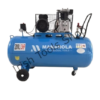
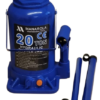
US PRO TOOLS equipment is a practical fit for buyers building capability without overpaying for a badge. The range commonly covers the core categories that keep a workshop moving: hand tools, impact sockets, air tools, compressors, brake service kits, tool storage, jacks, axle stands, engine cranes and vehicle lifting equipment.
That breadth matters when you are setting up a bay or replacing essential gear quickly. Rather than sourcing a jack from one supplier, a socket set from another and storage elsewhere, you can compare the specifications across the kit needed for the job. It also makes it easier to put together a sensible order that covers both the major purchase and the smaller items that are always needed – extensions, adapters, spanners, pliers and consumables.
For a professional garage, the best purchases are usually the tools that remove delay. A reliable impact socket set saves time when suspension or wheel work is constant. A well laid-out tool chest cuts down on searching for tools. A correctly rated trolley jack and axle stands make routine underbody work safer and more efficient. For DIY users, the same principle applies, but it is usually better to buy the capacity you genuinely need than fill the garage with oversized equipment that will rarely be used.
Start with the specification, not the photograph
Workshop equipment can look similar online while being built for very different workloads. Before adding any US PRO TOOLS product to your basket, read the product specification as closely as you would read a vehicle repair manual. Capacity, dimensions, drive size, material and included accessories are not small details. They determine whether the tool will do the job safely and without frustration.
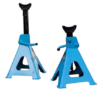
With lifting equipment, rated capacity is the starting point, not the only figure. Check the minimum and maximum lift height, saddle design, overall length and whether the equipment suits the vehicles you work on. A low-profile trolley jack may be far more useful on lowered cars, while a standard jack with a higher maximum lift can better suit vans and larger vehicles. Never use a trolley jack as the sole support while working beneath a vehicle. Use appropriately rated axle stands on firm, level ground, and follow the product instructions.
For sockets, confirm the drive size and the type of work involved. A 1/4 inch set is useful for trim, small fasteners and confined engine-bay work. A 3/8 inch set is a strong all-round choice. A 1/2 inch impact socket set is more suited to wheel bolts, suspension components and heavier fastening work. Impact sockets should be used with impact tools; standard chrome sockets are not a substitute where repeated hammering loads are involved.
Tool storage needs the same level of thought. Drawer count alone tells you very little. Look at the drawer dimensions, total load rating, locking arrangement, wheel quality and whether the chest will take the weight of the tools you already own. A rolling cabinet that is too light for a full socket, spanner and power-tool collection soon becomes awkward to move and unpleasant to use.
Buying lifting and workshop equipment safely
The larger the equipment, the less room there is for guesswork. Engine cranes, transmission jacks, vehicle lifts and heavy-duty stands should be selected around the actual vehicles entering the workshop, not the smallest car you happen to own. Consider vehicle weight, lifting points, wheelbase, clearance and the working room required around the equipment.
A two-post or four-post lift can transform a busy workshop, but it also needs a suitable installation area, correct floor conditions and proper operating procedures. Measure door height, bay width and ceiling clearance before buying. If you are working in a domestic garage, check that the floor slab and building layout are suitable for the equipment under consideration. The cheapest lift is not good value if it cannot be installed correctly or safely used.
For engine work, crane capacity changes as the boom is extended. Check the capacity at the boom position you will realistically use, rather than relying on the headline maximum. A folding engine crane helps where workshop space is tight, but folding storage should not be the only deciding factor. Stability, wheel movement and access around the vehicle matter just as much during a live job.
Build a working tool kit in the right order
A workshop does not need every tool on day one. It needs the tools that cover regular work reliably. Start with a quality general hand-tool foundation, then add specialist equipment according to the jobs you take on. This avoids tying up money in rarely used kit while leaving gaps in the tools you need every week.
For most vehicle maintenance, the core purchase should include a metric socket and ratchet set, combination spanners, screwdrivers, pliers, a breaker bar, torque wrench, axle stands and a suitable trolley jack. Add a brake wind-back kit if you service modern disc brakes, then move to impact sockets and an impact wrench where wheel and suspension work is frequent. Air tools make sense when you have enough compressor output to run them properly; a low-output compressor can make an air gun feel underpowered regardless of the gun itself.
A torque wrench deserves special attention. It is not a breaker bar and should never be used to loosen stubborn bolts. Choose a torque range that covers the fasteners you service most often, set it accurately and store it according to the manufacturer’s guidance. Wheel fasteners, cylinder-head bolts and other critical components should always be tightened to the vehicle manufacturer’s specified setting, not by feel.
Value is more than the sale price
Low pricing is useful, but true value comes from avoiding repeat purchases, downtime and unsuitable equipment. A well-priced tool with clear specifications, a sensible warranty and dependable availability is often the stronger buy than a cheaper alternative with no useful information behind it. This is especially true for equipment that carries load, produces torque or is used every day.
Check what is supplied in the box. A socket kit may include a useful range of deep sockets, extensions and universal joints, or it may only cover basic sizes. A trolley jack may have a rubber saddle pad included, while another may require it separately. An engine crane may include a load leveller or need one added. These details affect the real cost of getting the tool ready for work.
Delivery also has a direct effect on value. When a broken jack, missing impact socket or overloaded tool chest is stopping paid work, waiting weeks for replacement equipment is not an option. Irish Tools Shop gives mechanics and workshop buyers one place to source affordable professional-grade tools, with free delivery on orders over €50 and fast delivery across Ireland, Northern Ireland and the UK.
Keep workshop tools working longer
Even hard-working tools need basic care. Wipe down sockets and ratchets before returning them to the drawer, keep air-tool fittings clean, drain moisture from compressors as required and inspect lifting equipment before use. Damaged hoses, leaking jacks, cracked sockets, bent stands and worn locking mechanisms should be taken out of service until they are repaired or replaced.
Storage is not just about keeping the workshop tidy. It protects tools from corrosion, prevents damage and makes missing equipment obvious before a job begins. Put heavy tools in lower drawers, keep regularly used sockets and spanners within easy reach, and avoid overloading cabinet drawers. For a busy garage, that organisation saves real time across every service and repair.
The strongest US PRO TOOLS purchase is the one matched to the work in front of you: correctly rated, properly stored and ready when the next vehicle arrives.
